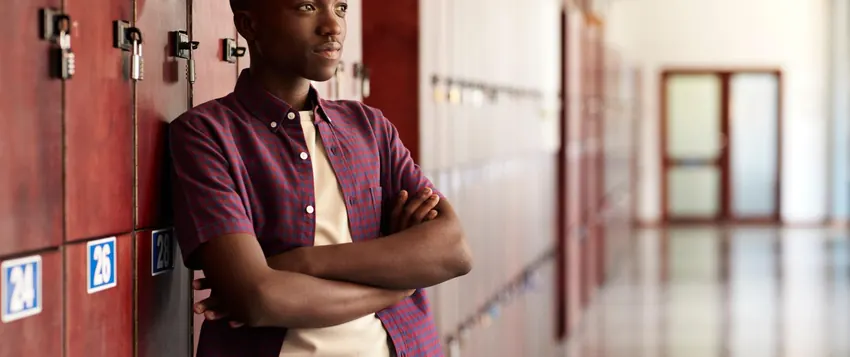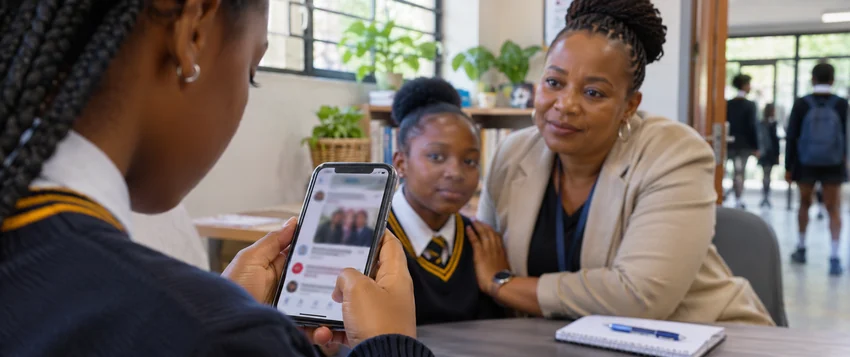

As cyberbullying becomes a growing concern, prevention and support are increasingly important. However, schools may not always feel adequately prepared to deal with the complex nature of cyberbullying. Teachers may not receive enough training on how to identify and respond to online bullying, while some schools may not have clear policies that deal specifically with cyberbullying. Digital platforms also change quickly, making it difficult for teachers, parents and schools to keep up with new forms of online behaviour.
Understanding how people behave, communicate and respond to harmful experiences is also an important area of psychological study. For those interested in exploring human behaviour and the role of psychology in organisations, the Bachelor of Industrial Psychology at Regenesys provides an academic pathway into psychology, human resource management and organisational behaviour. While Industrial Psychology focuses primarily on workplace settings rather than school-based counselling, understanding behaviour remains relevant across different social environments.
This blog outlines how South African schools and communities can prevent and respond to cyberbullying through shared responsibility, school safety policies, digital literacy, accessible reporting systems and psychological support. It explains the roles of learners, parents, teachers and support professionals, considers how the National School Safety Framework relates to online harassment, and highlights why early intervention and a supportive school culture are essential for learner well-being.
TABLE OF CONTENTS
Cyberbullying Requires a Shared Response
Preventing and responding to cyberbullying cannot be the responsibility of one person or group. Research recommends cooperation between learners, parents, teachers, school administrators, psychologists, social workers and law-enforcement agencies to prevent, reduce and manage cyberbullying in schools.
Part of this response should involve strengthening digital literacy, cyber-safety and online safety education. Schools also need accessible reporting systems, mental health and psychosocial support services, and policies that clearly explain how cyberbullying will be addressed.
Learners should also understand that there are regulations and legal processes that may apply to bullying and certain harmful online behaviours. The rapid growth of e-learning following the COVID-19 pandemic has further highlighted the importance of including cyber-safety and cyber-protection in the education and training of both learners and teachers.
A shared response also requires recognising that different learners may experience online harassment in different ways. The article Does Gender Shape the Experience of Cyberbullying? explores how forms of online harassment may differ among learners and why schools should avoid making assumptions about who may be affected. This reinforces the importance of responding to each learner’s circumstances rather than applying a single approach to every incident.
For practical information on identifying harmful online behaviour, preserving evidence and seeking support, UNICEF South Africa’s cyberbullying guidance provides useful advice for learners, parents and educators.
Building Safer School Environments

At the national level, the South African Department of Basic Education introduced the National School Safety Framework (NSSF) to help address violence in schools. Frameworks such as this provide an important starting point for creating safer learning environments.
However, cyberbullying creates an additional challenge because it does not necessarily take place within the physical school environment. A harmful post, message, image or video may be created after school but still have a significant impact on a learner’s experience when they return to the classroom.
School safety policies therefore need to recognise the connection between learners’ online and offline lives.
The Department of Basic Education’s National School Safety Framework identifies prevention, early intervention, reporting and support as important components of school safety. These principles provide a useful foundation for schools developing procedures to address cyberbullying, including incidents that begin outside school hours but affect learners within the school environment.
Creating a safer environment also means considering what happens when other learners witness online harassment. Some may recognise that a message, image or comment is harmful but remain silent because they are uncertain about how to respond or fear becoming targets themselves. The article Everyone Saw It. Nobody Stopped It. Why? examines the psychology behind bystander behaviour and why people do not always intervene when they witness bullying or other harmful behaviour. Understanding these responses may help schools encourage safer reporting and appropriate intervention.
Prevention Matters as Much as Intervention
Responses to cyberbullying should not begin only after serious harm has already occurred. Schools need clear systems for prevention, early identification, reporting, intervention and ongoing support.
Learners should know where they can go for help and feel confident that they will be listened to. Teachers and parents also need the knowledge and resources to recognise warning signs and respond appropriately.
Ultimately, responding effectively to cyberbullying requires more than managing individual incidents. It requires creating a school culture in which online safety, respectful behaviour, early intervention and learner well-being are treated as shared responsibilities.
References
- Bansal, S., Garg, N., Singh, J., & Van Der Walt, F. (2024). Cyberbullying and mental health: Past, present and future. Frontiers in Psychology, 14, Article 1279234. https://doi.org/10.3389/fpsyg.2023.1279234
- Graham, M. A. (2025). Traditional bullying and cyberbullying as main drivers of low mathematics achievement in South African schools: Evidence from TIMSS 2019. Education Inquiry, 16(2), 157–176. https://doi.org/10.1080/20004508.2023.2173122
- Makwele, B., & Nhlapo, V. A. (2026). Understanding cyberbullying as a human rights violation in the educational ecosystem of South African schools. Bulgarian Comparative Education Society. https://eric.ed.gov/?id=ED681985
- Malesa, K. J., & Sekgobela, T. (2025). The destructive consequence of cyberbullying on the mental health of learners in South Africa. International Journal of Business Ecosystem & Strategy, 7(5), 428–434. https://doi.org/10.36096/ijbes.v7i5.890
- Maruma, D., & Ngobeni, E. T. (2026). The effects of bullying on learners’ academic performances in Warmbaths Circuit in the Waterberg District, Limpopo Province. INTED2026 Proceedings, Article 0552. https://doi.org/10.21125/inted.2026.0552
- Mashiya, M. (2025). Exploring the influence of bullying on learners’ well-being in rural secondary schools: A systematic literature review. International Journal of Studies in Systematic Reviews, 1(1), 47–56. https://hdl.handle.net/10520/ejc-ijssr_v1_n1_a5
- Nickerson, A. B., & Fredrick, S. S. (2026). Cyberbullying and mental health in children and adolescents. Annual Review of Clinical Psychology, 22, 559–586. https://doi.org/10.1146/annurev-clinpsy-061324-073435
- Nkwanyana, B. P. (2025). Psycho-social effects of cyberbullying in selected secondary schools, KwaZulu-Natal, South Africa. Interdisciplinary Journal of Education Research, 7(S1), Article a12. https://doi.org/10.38140/ijer-2025.vol7.s1.12
- Phalane, K., & Tshabalala, N. P. (2026). The effects of bullying victimisation on academic achievement and social development in selected educational settings in Africa. Frontiers in Education, 11, Article 1679312. https://doi.org/10.3389/feduc.2026.1679312
- Twaddle, C. L., & le Roux, D. B. (2026). The prevalence and correlates of cyberbullying among South African adolescents. South African Journal of Information Management, 28(1), 1–13. https://doi.org/10.4102/sajim.v28i1.2132
- Sekgobela, T. (2026). Cyberbullying and learner wellbeing in South Africa: A Social Work Perspective. https://assets-eu.researchsquare.com/files/rs-9266510/v1/ad1aec3a-3c7b-45fe-b3b7-61e3ae06f673.pdf
- Sibisi, N. N., Ngubane, L., Mpofu, Z. F., & Nyambuya, V. P. (2025). Exploring the perceptions and experiences of learners and educators on bullying and cyberbullying in selected schools in KwaZulu-Natal. Perspectives in Education, 43(4). https://hdl.handle.net/10520/ejc-persed_v43_n4_a9
Frequently Asked Questions About Cyberbullying in South African Schools
What should a school do when a learner reports cyberbullying?
A school should listen to the learner, assess any immediate safety concerns, document the report and preserve relevant evidence. Staff should follow the school’s reporting procedures, involve appropriate safeguarding personnel and arrange psychosocial support where necessary. The response should protect the learner’s dignity and avoid unnecessary disclosure of personal information.
Can a South African school intervene if cyberbullying happens outside school hours?
Cyberbullying may begin outside school but still affect a learner’s safety, participation and relationships at school. Schools should consider the impact on the learning environment and respond in line with applicable school policies and legal requirements. Where necessary, they should work with parents, relevant professionals and appropriate authorities.
How can teachers recognise the warning signs of cyberbullying?
Possible warning signs include sudden changes in mood, avoiding school, withdrawing from friends, reduced classroom participation, difficulties concentrating and distress after using a phone or social media. These behaviours do not automatically mean a learner is being cyberbullied, but they may indicate a need for a private, supportive conversation.
What should parents do if their child is being bullied online?
Parents should listen calmly, reassure the child that they deserve support and avoid blaming them. They can help preserve screenshots and messages, report harmful content on the relevant platform and contact the school when the incident involves other learners or affects school life. Serious threats or immediate safety concerns require urgent assistance from the appropriate authorities.
What laws in South Africa may apply to cyberbullying?
Depending on the conduct, South African legal protections relating to harassment, threatening electronic communications, privacy and child protection may be relevant. Not every unpleasant online interaction is automatically a criminal offence. Schools and families should seek appropriate legal guidance when dealing with threats, sexual exploitation, persistent harassment or other serious behaviour.
How can schools prevent cyberbullying before it happens?
Schools can introduce age-appropriate digital citizenship lessons, communicate clear rules for online conduct and train staff to recognise harmful behaviour. Confidential reporting options, parent engagement, learner awareness programmes and access to support services can help create an environment where problems are identified and addressed early.
What is the role of the National School Safety Framework in preventing cyberbullying?
South Africa’s National School Safety Framework provides guidance on creating safer school environments, identifying risks, reporting violence and supporting affected learners. Schools can apply these principles when developing or strengthening cyberbullying procedures, while also addressing the distinctive challenges of online communication and digital evidence.
How can cyberbullying affect a learner’s mental health and academic performance?
Cyberbullying can contribute to anxiety, fear, embarrassment, social isolation and reduced confidence. Some learners may struggle to concentrate, participate in lessons or attend school regularly. The effects differ between individuals, so responses should consider both educational needs and emotional well-being.
How should learners respond when they witness someone being cyberbullied?
Learners should avoid forwarding harmful messages, joining in the harassment or publicly humiliating anyone involved. They can support the affected learner, report inappropriate content and inform a trusted adult or school staff member. Witnesses should not put themselves at risk when intervening and should use safe reporting channels.
Where can learners get help for cyberbullying in South Africa?
Learners can speak to a trusted teacher, school counsellor, parent, caregiver or another responsible adult. They may also seek assistance through Childline South Africa by calling 116. Harmful content can be reported through the relevant digital platform. Where there are immediate threats to someone’s safety, emergency services or the police should be contacted.