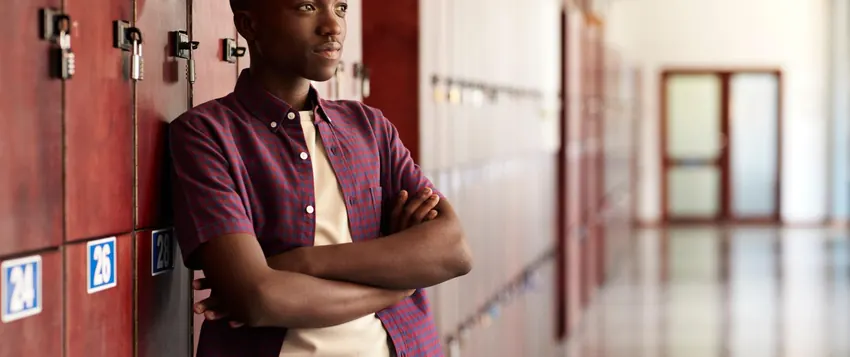

A boy is told to stop crying because he needs to be strong. Another learns that asking for help is a sign of weakness. A teenager feels pressure to become the family breadwinner before he has even finished school.
These experiences may seem unrelated, but they raise an important question: What happens when boys are expected to become strong men without being given the emotional support they need while growing up?
This question formed the foundation of Who Left the Boy Child Behind? A Social Science Conversation on the Boy Child, an expert discussion hosted by the Regenesys School of Psychology.
Moderated by Dr Yemisi Oduntan, Head of the Regenesys School of Psychology, the conversation brought together Martin Sweet of Primestars, a representative of the youth-development organisation loveLife, and clinical psychologist Nzako. Together, the panellists explored the psychological and social challenges facing boys, including emotional suppression, gender stereotypes, masculinity, mentorship and gender-based violence (GBV).
Importantly, the discussion was not about deciding whether boys or girls face greater difficulties. Instead, it examined whether some of the experiences affecting boys are going unnoticed and what families, schools and communities can do to support their development.
TABLE OF CONTENTS
Watch the Full Masterclass: Who Left the Boy Child Behind?
This blog outlines how gender stereotypes affect boys’ mental health, emotional development and relationships in South Africa, drawing on insights from the Regenesys School of Psychology masterclass, Who Left the Boy Child Behind? It examines how expectations that boys must be strong, emotionally reserved and financially successful can influence their willingness to express feelings and seek support. The article explores childhood experiences, toxic masculinity, positive male role models, peer pressure, social challenges and the importance of involving boys in gender-based violence prevention. It also provides practical guidance for South African parents, educators and communities, followed by ten frequently asked questions about supporting boys’ psychological wellbeing.
What Are Gender Stereotypes and How Do They Affect Boys?
Gender stereotypes are widely held assumptions about how people should behave, which responsibilities they should fulfil and which characteristics they should display based on gender.
For boys, these expectations may include being physically strong, avoiding emotional vulnerability, taking charge in difficult situations and eventually becoming financial providers.
Although courage, independence and responsibility can be positive qualities, problems arise when boys are taught that these qualities require them to hide their feelings or demonstrate dominance over others.
During the masterclass, Martin Sweet challenged the traditional expectations often placed on boys.
“We don’t need to get rid of masculinity. We need to redefine it.”— Martin Sweet, masterclass panellist
His argument was not that masculinity should disappear. Rather, boys need a broader understanding of what it means to become responsible, respectful and emotionally healthy men.
For example, a boy can demonstrate courage while acknowledging fear. He can develop leadership skills without controlling others. He can also learn to take responsibility for his actions without believing that mistakes or vulnerability make him less worthy.
The World Health Organization’s guidance on gender and health explains that socially constructed gender norms and expectations can influence health and wellbeing.
These expectations differ across societies and communities. In South Africa, their effects may also interact with family structures, economic circumstances, cultural practices and access to support.
Understanding gender stereotypes therefore requires looking beyond what boys are told and considering how those messages shape their everyday experiences.
Why Are Boys Often Taught to Hide Their Emotions?
Expressions such as “boys don’t cry” and “man up” are familiar in many communities.
These messages are sometimes intended to encourage resilience. However, repeatedly associating emotional expression with weakness may discourage boys from discussing sadness, disappointment, fear or loneliness.
During the masterclass, clinical psychologist Nzako explained that boys learn attitudes towards emotional expression through socialisation, including their experiences within families, schools and communities.
A boy who is repeatedly criticised for crying may begin to believe that expressing sadness threatens how others perceive him.
Over time, he may become more comfortable expressing anger than acknowledging feelings of rejection, fear or emotional pain.
This does not mean that every angry or withdrawn boy is experiencing psychological distress. Behaviour can have many causes, and assumptions should not replace careful understanding.
However, consistently discouraging emotional expression can make it harder for some boys to communicate their needs.
“We can teach a boy to become courageous without teaching him to be emotionally unavailable.”— Nzako, clinical psychologist and masterclass panellist
This statement captures an important distinction between resilience and emotional suppression.
Emotional resilience does not require the absence of sadness or fear. It involves developing the ability to recognise feelings, manage difficult experiences and seek appropriate support.
For boys, these skills are developed through relationships and experiences with adults who model healthy emotional communication.
A parent who responds calmly when a child is upset, a teacher who makes time to listen or a mentor who speaks openly about managing disappointment can help boys understand that emotional awareness is compatible with strength.
How Do Gender Stereotypes Affect Boys’ Mental Health?
Gender stereotypes can influence boys’ mental health by shaping how they interpret emotional difficulties and whether they feel comfortable seeking help.
For example, a boy who believes that asking for assistance makes him weak may hesitate to speak about bullying, academic pressure, family conflict or relationship difficulties.
These challenges can be particularly significant during adolescence, when young people are navigating identity development, peer relationships and changing social expectations.
According to the World Health Organization’s guidance on adolescent mental health, adolescence is an important period for developing emotional and social skills. Exposure to bullying, violence, adversity, harsh parenting and socioeconomic difficulties can increase mental health risks.
The masterclass highlighted another concern: some boys may feel that adults notice them only when something goes wrong.
During the discussion of community experiences, the loveLife representative shared a striking sentiment reportedly expressed by boys:
“Nobody asked me how I am until I’ve done something wrong.”— A sentiment from boys in community engagement, shared during the masterclass
This observation raises questions about how adults identify and respond to young people’s emotional needs.
A boy may receive attention when his grades decline, when he becomes disruptive or when he breaks a rule. Yet his experiences before those moments may receive little attention.
Some boys may withdraw when struggling. Others may show changes in concentration, behaviour or relationships.
Such changes do not automatically indicate a mental health condition. However, persistent or concerning changes deserve attention, particularly when they affect a child’s everyday functioning.
Instead of focusing only on whether a boy is meeting expectations, adults can also ask how he is coping and whether he has the support he needs.
How Can Childhood Experiences Shape Boys’ Behaviour and Relationships?
Childhood is an important period for learning how emotions are expressed, how disagreements are resolved and how relationships function.
Children learn through direct experiences as well as by observing the behaviour of people around them.
For example, a boy who repeatedly witnesses aggressive conflict may come to view shouting or intimidation as a normal response to disagreement.
Another child who is encouraged to communicate openly may develop greater confidence in identifying emotions and discussing difficult experiences.
These patterns can influence later behaviour, but childhood adversity does not automatically determine someone’s future relationships or mental health.
This relationship between early experiences and later emotional development is explored in the article What We Learn at Home: How Childhood Experiences Shape Adult Relationships.
During the masterclass, Nzako encouraged adults to look beyond a child’s presenting behaviour and consider the wider circumstances in which it occurs.
For instance, a boy who becomes disruptive at school may be struggling with bullying, conflict at home, grief or another difficult experience.
However, understanding the circumstances surrounding behaviour does not mean excusing misconduct or aggression.
Rather, it allows parents, teachers and professionals to combine accountability with an appropriate understanding of the child’s emotional and social needs.
This approach can also help adults avoid labelling children as inherently difficult when their behaviour may reflect challenges they have not yet learned to communicate.
What Is Toxic Masculinity and How Is It Different from Healthy Masculinity?
Toxic masculinity is a term commonly used to describe harmful attitudes and expectations associated with masculinity, particularly those that encourage dominance, emotional suppression, aggression or the rejection of vulnerability.
It does not mean that masculinity itself is harmful.
Positive qualities such as responsibility, courage, leadership and determination can contribute meaningfully to personal and social development.
Problems arise when boys feel that they must demonstrate these qualities through intimidation, emotional detachment or control over others.
During the masterclass, Martin Sweet emphasised the importance of presenting boys with positive examples of masculinity.
Healthy masculinity can include:
- Taking responsibility for one’s decisions and actions.
- Communicating emotions without using violence or intimidation.
- Respecting other people’s boundaries and autonomy.
- Managing anger and resolving disagreements constructively.
- Showing empathy towards others.
- Recognising when professional or personal support is needed.
These qualities are not exclusive to boys or men. They are valuable human skills.
However, teaching them within conversations about masculinity may help boys challenge restrictive expectations about how they are supposed to behave.
Healthy masculinity is therefore not about becoming less masculine. It is about understanding that strength and emotional wellbeing can coexist.
Why Are Positive Male Role Models Important for Boys?
Positive male role models can help boys develop a more balanced understanding of responsibility, relationships and adulthood.
Fathers, uncles, teachers, coaches, mentors and other trusted adults may demonstrate how to manage difficulties, communicate respectfully and respond to challenging situations.
However, a role model’s influence depends on the quality of the relationship and the behaviour demonstrated.
Simply telling boys to be respectful or responsible may be less effective when the adults around them do not consistently demonstrate those qualities.
During the masterclass, Martin Sweet discussed mentorship through the What About the Boys initiative, including the role of male mentors described as “social fathers”.
These mentors provide opportunities for boys to discuss topics such as peer pressure, relationships, anger, fear and emotional wellbeing.
In his closing remarks, Sweet offered one of the discussion’s most memorable statements:
“A boy cannot become the man we hope for if he’s never seen what the man looks like.”— Martin Sweet, masterclass panellist
This perspective highlights why practical examples matter.
A boy who regularly sees a trusted adult acknowledge mistakes, manage frustration, respect others and seek help when necessary may develop a broader understanding of what responsible adulthood involves.
For boys without consistent support at home, schools, community programmes and youth organisations may provide additional opportunities for positive mentorship.
Importantly, boys can also benefit from supportive relationships with female caregivers, educators and other trusted adults. Healthy development depends on consistent and caring relationships, not only on the presence of male figures.
How Do Social Pressures Affect Boys in South Africa?
Boys’ experiences are shaped not only by gender expectations but also by the social and economic conditions surrounding them.
In South Africa, some young people experience challenges involving poverty, unemployment, community violence, unequal educational opportunities and limited access to support services.
These circumstances may affect the choices available to them and the opportunities they believe they can pursue.
During the masterclass, the loveLife representative questioned the tendency to tell boys to make better decisions without considering whether they have realistic alternatives.
One statement captured the argument particularly clearly:
“Choices require options.”— loveLife representative, during the masterclass discussion
The statement does not suggest that boys have no responsibility for their decisions.
Instead, it encourages communities to consider how education, mentorship, social support and economic opportunity influence the decisions young people can make.
For some boys, expectations around financial provision may become part of their identity before they reach adulthood.
A boy may feel that becoming a successful man requires earning money, supporting relatives or achieving social status.
Although responsibility and family contribution can be positive, pressure becomes problematic when a person’s sense of worth depends entirely on financial success.
The masterclass encouraged adults to recognise that a young person’s identity should extend beyond earning capacity.
Supporting boys may therefore require practical interventions, including education, constructive extracurricular activities, access to trusted adults and opportunities to develop skills.
What Role Can Boys Play in Preventing Gender-Based Violence?
Gender-based violence is a serious concern in South Africa, and the masterclass explored why boys should be included in prevention conversations.
One important argument was that boys should not automatically be treated as future perpetrators simply because they are male.
Boys are children who are still developing their understanding of relationships, consent, responsibility and respect.
Martin Sweet argued that boys can be guided to become part of the solution through education, mentorship and appropriate accountability.
This includes teaching boys to:
- Understand consent and personal boundaries.
- Recognise controlling or coercive behaviour.
- Manage rejection without aggression.
- Challenge harmful attitudes among peers.
- Resolve disagreements without violence.
- Respect the rights, dignity and autonomy of others.
- Recognise when behaviour is harmful and take responsibility for it.
The discussion also addressed the importance of supporting boys without framing their needs as competing with those of girls and women.
Supporting boys’ mental health and promoting women’s safety are compatible goals. Both can contribute to healthier relationships and communities.
Another important issue is the pressure people may experience to remain silent when they witness harmful behaviour.
The RegInsights article The Psychology of Silence: Why Is It Sometimes So Hard to Speak Up? examines how fear of judgement, shame and social expectations may make it difficult for people to seek help or challenge harmful situations.
Encouraging boys to speak up against bullying, harassment and disrespectful conduct can contribute to a broader culture of accountability.
However, mentorship and emotional education should complement, rather than replace, evidence-informed GBV prevention, survivor support, safeguarding and legal accountability.
How Can Parents, Schools and Communities Support Boys?
The panellists repeatedly emphasised that boys need ongoing support, rather than attention only when problems arise.
Families, educators and communities can contribute by developing environments in which boys feel safe expressing emotions while also learning responsibility and respect.
1. Encourage Open Emotional Communication
Parents and caregivers can make space for everyday conversations about feelings, experiences and difficulties.
Instead of dismissing a boy who is upset, an adult might ask what happened, acknowledge the feeling and help him consider an appropriate response.
This approach does not eliminate boundaries. It allows boys to understand that emotions are valid even when certain behaviours are unacceptable.
2. Look Beyond Difficult Behaviour
Teachers and caregivers should respond appropriately to misconduct while remaining willing to consider factors such as bullying, grief, family challenges or academic pressure.
Understanding the context of behaviour may help identify more effective interventions.
3. Create Opportunities for Positive Mentorship
Schools, community organisations and youth-development programmes can connect boys with trusted adults who model respectful behaviour, accountability and emotional awareness.
Consistent mentorship may be more meaningful than occasional conversations that are not followed by ongoing support.
4. Challenge Restrictive Gender Stereotypes
Adults can encourage boys to be responsible and resilient without suggesting that emotional expression makes them weak.
Boys should understand that kindness, courage, confidence and vulnerability are not mutually exclusive.
5. Provide Access to Appropriate Mental Health Support
Schools and communities can improve awareness of available support services and encourage young people to seek professional assistance when necessary.
Parents and caregivers should also consider barriers such as stigma, affordability and access to qualified professionals.
Where a child shows persistent distress, significant changes in functioning or signs of immediate risk, timely assessment and appropriate support are particularly important.
What Were the Key Lessons from the Regenesys School of Psychology Masterclass?
The central message of Who Left the Boy Child Behind? was not that boys should receive attention at the expense of girls.
Instead, the discussion highlighted the importance of understanding the psychological and social experiences of young people and developing appropriate responses.
Several important lessons emerged:
- Emotional development matters: Boys need opportunities to recognise and communicate feelings.
- Gender stereotypes can be restrictive: Expectations surrounding toughness, vulnerability and financial provision may create unnecessary pressure.
- Behaviour requires context: Family circumstances, school experiences and community environments can influence how children respond to difficulties.
- Role models matter: Trusted adults can demonstrate healthy relationships, accountability and emotional responsibility.
- Support and accountability should coexist: Understanding challenges does not mean excusing harmful actions.
- GBV prevention should include boys: Education about consent, boundaries and respectful relationships can form part of broader prevention efforts.
- Long-term support is important: Consistent relationships and accessible services may be more useful than relying exclusively on occasional awareness campaigns.
These lessons demonstrate why psychology is important for understanding human behaviour within its broader social context.
The Regenesys School of Psychology places emphasis on understanding human experiences, relationships, emotional wellbeing and the social environments that shape individuals and communities.
Through contextually relevant psychology education, students can explore how psychological knowledge contributes to a deeper understanding of people and the challenges they experience.
Conclusion
The question “Who left the boy child behind?” invites society to examine not only how boys behave, but also what they are taught about themselves.
When boys are expected to be strong but discouraged from showing vulnerability, their emotional needs may go unnoticed.
When they are told to make better decisions without access to meaningful opportunities, the circumstances shaping those decisions may be overlooked.
And when conversations about harmful behaviour exclude boys from learning about empathy, respect and accountability, important opportunities for prevention may be missed.
Supporting boys does not require society to abandon efforts to empower girls and women.
It requires a broader commitment to ensuring that every child has opportunities to develop emotional awareness, healthy relationships and a sense of belonging.
Perhaps the question is not only who left the boy child behind, but who is willing to walk alongside him as he grows.
Frequently Asked Questions About Gender Stereotypes and Boys’ Mental Health in South Africa
What are gender stereotypes in South Africa?
Gender stereotypes are social expectations about how people should behave based on gender. In South Africa, these may include the belief that boys should be tough, avoid crying or become financial providers. Such expectations vary between communities and may influence emotional development, relationships and help-seeking behaviour.
How do gender stereotypes affect boys’ mental health?
Restrictive gender stereotypes may discourage boys from expressing sadness, fear or emotional vulnerability. Boys who associate seeking help with weakness may hesitate to discuss difficult experiences. However, mental health is influenced by multiple psychological, social and environmental factors, and stereotypes alone do not explain every mental health challenge.
Why do some boys struggle to express their emotions?
Some boys learn through family experiences, school environments and peer interactions that certain emotions are unacceptable for males. Repeated criticism or dismissal may discourage emotional expression. Supportive relationships can help boys develop the language and confidence to communicate their feelings appropriately.
What is toxic masculinity and how can it affect boys?
Toxic masculinity describes harmful expectations associated with masculinity, such as emotional suppression, dominance and aggression. These expectations may create pressure around identity, relationships and help-seeking. Masculinity itself is not inherently harmful, and boys can develop positive masculine identities built on responsibility, empathy and respect.
What is healthy masculinity?
Healthy masculinity involves developing qualities such as emotional awareness, responsibility, empathy, respect and accountability. It allows boys and men to communicate emotions appropriately, seek support when necessary and maintain relationships without relying on aggression or control.
How can childhood experiences affect boys’ behaviour?
Childhood experiences can influence how boys understand emotions, communicate with others and respond to conflict. Family relationships, school experiences, peer groups and exposure to adversity may all contribute. However, childhood experiences do not permanently determine adult behaviour, and supportive relationships can help children develop healthier responses.
Why are positive male role models important in South Africa?
Positive male role models can demonstrate respectful communication, emotional responsibility and healthy approaches to relationships. Fathers, teachers, coaches and mentors may help boys navigate peer pressure and difficult experiences. The quality and consistency of the support provided are especially important.
How can South African schools support boys’ mental health?
South African schools can support boys by promoting emotional literacy, responding appropriately to bullying, creating safe reporting channels and connecting learners with suitable mental health services. Teachers can also challenge restrictive gender expectations while maintaining fair behavioural standards and accountability.
How can educating boys help prevent gender-based violence in South Africa?
Age-appropriate education can help boys understand consent, respectful relationships, personal boundaries and non-violent conflict resolution. Mentorship and opportunities to challenge harmful social norms may also contribute to prevention. These approaches should work alongside survivor support, safeguarding and broader evidence-informed GBV prevention measures.
Where can boys and young men get mental health support in South Africa?
Boys and young men can begin by speaking to a trusted adult, school counsellor, qualified mental health professional or healthcare provider. Public healthcare facilities and community support organisations may also provide guidance or referrals. If someone is in immediate danger or experiencing a mental health emergency, urgent assistance should be sought through appropriate local emergency services.