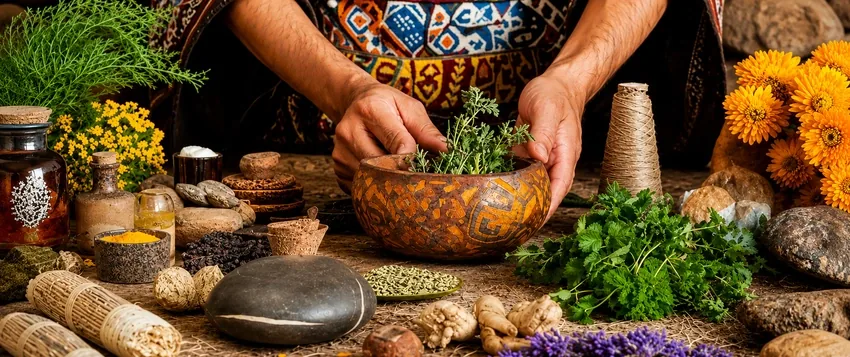

Traditional medicine in healthcare represents far more than plants, herbs or home remedies. Instead, it includes knowledge, beliefs, skills and healing practices that communities have developed and preserved across generations. For many people, these systems remain closely connected to culture, spirituality, family, identity and their understanding of health.
Traditional medicine also plays an important role in discussions about accessible and culturally responsive healthcare. However, healthcare systems must balance its potential contribution with patient safety, scientific evidence, ethical conduct, effective regulation and open communication between practitioners.
Healthcare professionals, traditional practitioners and community health workers who want to understand this field can explore the Regenesys Herbal & Indigenous Medicine in Context Programme. Through this short learning programme, participants examine indigenous healing systems, cultural beliefs, herbal-remedy safety and collaboration between traditional and biomedical practitioners.
In addition, those interested in related healthcare education can explore the Regenesys School of Health Sciences.
This guide explains how people use traditional medicine, why patients continue to rely on it and how traditional healers contribute to South African communities. Furthermore, it examines the principles needed for safe, respectful and evidence-informed integration with clinical care.
Important: This article provides general educational information and does not replace medical advice. Consult an appropriately qualified healthcare professional before starting, stopping or combining any medicine, herbal preparation or traditional treatment.
What Is Traditional Medicine?
Traditional medicine includes health-related knowledge, skills and practices that developed within particular cultural and historical settings before modern biomedical systems became established.
Unlike approaches that focus only on isolated symptoms, many traditional systems consider physical, emotional, social, spiritual and environmental well-being together. As a result, a practitioner may address relationships, community concerns or spiritual beliefs alongside physical discomfort.
Traditional medicine may include:
- Plant-based and herbal remedies
- Indigenous diagnostic and healing practices
- Spiritual or ceremonial healing
- Dietary guidance
- Manual and physical therapies
- Community-based health knowledge
- Practices intended to restore balance and well-being
Nevertheless, no single universal form of traditional medicine exists. Practices vary between countries, cultures, communities and individual practitioners.
For a broader global explanation, the World Health Organization provides information about traditional, complementary and integrative medicine.
Traditional, Complementary and Integrative Medicine Compared
People sometimes use the terms traditional, complementary and integrative medicine interchangeably. However, each term describes a different approach to healthcare.
| Term | General meaning |
|---|---|
| Traditional medicine | Knowledge and practices originating within specific cultural and historical health systems |
| Complementary medicine | A non-mainstream practice used alongside conventional medical care |
| Alternative medicine | A non-mainstream practice used instead of conventional treatment |
| Integrative medicine | A coordinated approach that combines appropriate conventional and complementary practices through evidence, safety standards and patient-centred care |
| Herbal medicine | Health products or remedies that contain plants, plant materials or plant-derived preparations |
Importantly, using a traditional practice alongside medical treatment does not automatically create safe integration. Genuine integration requires evidence, professional communication, clear responsibilities and systems that protect the patient.
How Do People Use Traditional Medicine in Healthcare?
People use traditional medicine in different ways. Some patients consult traditional practitioners before visiting a clinic or hospital. By contrast, others combine herbal preparations or cultural practices with treatment from doctors, nurses, pharmacists or allied health professionals.
Depending on the person and cultural context, traditional medicine may support:
- General health and well-being
- Relief of minor symptoms
- Emotional or spiritual support
- Recovery and rehabilitation
- Management of long-term health concerns
- Maternal and family health traditions
- Culturally meaningful responses to illness
- Community education and prevention
Even so, these uses do not prove that every remedy or practice works clinically. Healthcare decisions should consider the patient’s condition, the available evidence, the treatment involved and the danger of delaying diagnosis or conventional care.
Common Traditional Medicine Practices
Herbal Medicine
Herbal medicine uses plants or plant-derived materials in preparations such as teas, powders, infusions, ointments, tinctures and mixtures.
Practitioners may choose specific remedies according to traditional knowledge about particular plants. Meanwhile, researchers continue to study some plants for their potential pharmacological or clinical value.
However, natural origin does not guarantee safety. Plant identity, concentration, preparation, dosage, storage and interactions with prescription medicines can all influence the outcome.
Indigenous Healing Practices
Indigenous healing practices reflect the knowledge, values and worldviews of particular communities. Therefore, people should understand these practices within their cultural context rather than group them into one uniform system.
Depending on the tradition, indigenous healing may involve:
- Consultation with a recognised traditional practitioner
- Family or community participation
- Interpretation of spiritual or ancestral concerns
- Rituals or ceremonies
- Use of culturally significant plants or materials
- Advice about relationships, behaviour or community well-being
Because these systems differ widely, healthcare professionals should avoid making assumptions about a patient’s beliefs or treatment choices.
Spiritual and Holistic Care
Some healing systems connect physical symptoms with emotional, relational, spiritual or social circumstances. Consequently, the practitioner may consider the person’s broader life experience rather than focus only on one symptom.
This wider perspective can help patients feel heard and respected. Moreover, it can help healthcare professionals understand how culture, beliefs and support networks influence treatment decisions and recovery.
Manual and Physical Practices
Traditional healthcare may also involve massage, heat, movement, bathing, manipulation or other physical practices.
As with any intervention, practitioners must consider the patient’s condition, the provider’s competence and the strength of the supporting evidence before recommending treatment.
Why Do People Use Traditional Medicine?
Patients choose traditional medicine for several cultural, practical and personal reasons. Often, more than one reason influences the decision.
Cultural Familiarity
Traditional practices may reflect a patient’s language, family traditions, worldview and understanding of illness. Therefore, the experience may feel more familiar and personally meaningful than an unfamiliar clinical setting.
Trust and Community Relationships
Traditional practitioners often work within the communities they serve. Patients may know them personally or find them through trusted family and community networks.
Accessibility
In some rural or underserved communities, patients may reach a traditional practitioner more easily than a formal healthcare facility. Consequently, the practitioner may become their first point of contact.
A Holistic Understanding of Health
Many patients value approaches that consider emotional, spiritual, social and physical well-being together. This holistic outlook may align more closely with how they understand health and recovery.
Personal Choice
Some patients choose traditional medicine because it reflects their values or gives them a greater sense of participation in their care.
Dissatisfaction With Previous Care
Others seek different options after feeling that previous consultations did not address their concerns, beliefs or quality-of-life needs.
For this reason, healthcare professionals should explore patient motivations without judgement. Open and respectful communication makes patients more likely to disclose the remedies and treatments they use.
Potential Benefits of Traditional Medicine in Healthcare
The potential benefits of traditional medicine depend on the specific practice, the available evidence and the safety of its delivery. Therefore, healthcare professionals should evaluate each practice individually.
Culturally Responsive Care
Recognising a patient’s cultural beliefs can strengthen communication and make healthcare more responsive to the person’s values and lived experience.
Community Reach
Traditional practitioners may reach people who seldom use formal healthcare services. As a result, carefully planned collaboration may create opportunities for education, screening and timely referral.
Patient Trust
Trust can influence whether a patient seeks help, discloses symptoms and follows an agreed treatment plan. Therefore, culturally respectful care may improve communication and continuity.
Holistic Support
Some traditional approaches address emotional, family, community and spiritual concerns that patients consider important to their recovery.
Knowledge for Scientific Research
Traditional knowledge may guide researchers towards plants, compounds or practices that deserve further investigation. However, researchers must protect indigenous knowledge rights and avoid exploiting communities or natural resources.
Ultimately, potential benefit should not be confused with scientific proof. Researchers and healthcare professionals must still examine effectiveness, safety, dosage, quality and appropriate use.
The Role of Traditional Healers in South Africa
Traditional healers in South Africa fulfil diverse cultural, spiritual and community roles. Depending on their recognised area of practice, they may offer herbal knowledge, cultural guidance, health advice, spiritual care or support during important family and community events.
Nevertheless, traditional practitioners do not form one homogeneous group. Their training, cultural recognition, areas of knowledge and methods of practice can differ significantly.
Within community healthcare, traditional healers may contribute by:
- Providing culturally familiar support
- Encouraging people to seek help early
- Recognising symptoms that require referral
- Supporting adherence to appropriate care
- Sharing community health information
- Helping patients explain cultural concerns
- Contributing to culturally responsive health programmes
Effective collaboration requires mutual respect. At the same time, every practitioner must recognise professional boundaries and refer patients who need emergency treatment, diagnostic testing, medicine management or specialist care.
Indigenous Medicine in South Africa
Indigenous medicine in South Africa reflects the country’s diverse histories, languages, communities and knowledge systems.
Indigenous understandings of health may consider:
- The relationship between individuals and their communities
- Family and ancestral connections
- Spiritual well-being
- Relationships with the natural environment
- Social harmony
- Physical symptoms and bodily health
Healthcare professionals do not need to adopt every belief personally. However, they should recognise that dismissing a patient’s worldview can damage trust and discourage honest communication.
Therefore, culturally responsive care requires respectful questions, careful listening and a willingness to develop a safe plan with the patient.
Traditional Medicine and Primary Healthcare
Primary healthcare aims to make essential services accessible, coordinated and responsive to community needs. Traditional medicine may intersect with this system when patients consult a traditional practitioner before visiting a clinic or hospital.
Possible areas of cooperation include:
- Health education
- Recognition of warning signs
- Timely clinical referral
- Maternal and child health awareness
- Support for chronic-care adherence
- Mental-health referral
- Community disease-prevention campaigns
- Communication about safe medicine use
However, traditional treatment should never delay emergency care. Difficulty breathing, severe bleeding, sudden weakness, loss of consciousness, acute chest pain, severe allergic reactions or rapidly worsening symptoms require urgent medical assessment.
Traditional Medicine and Modern Healthcare Compared
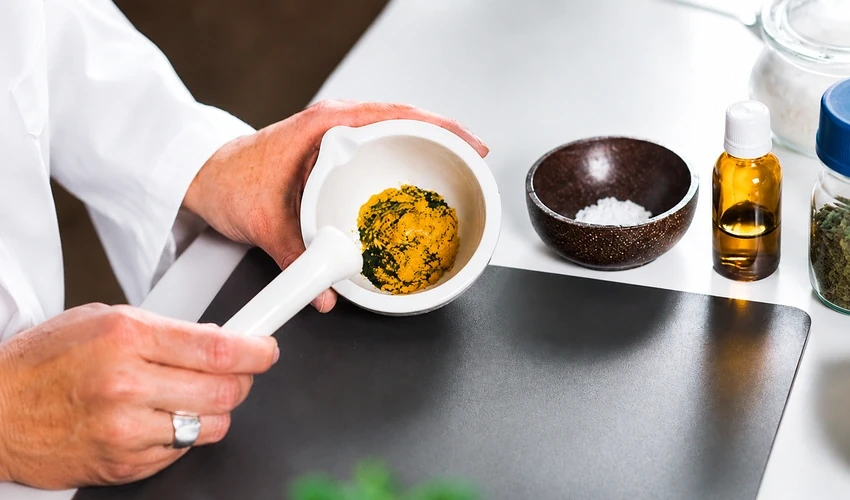
Traditional medicine and modern clinical care may differ in their knowledge systems, diagnostic methods and understanding of illness. Even so, both approaches aim to support health and well-being.
| Area | Traditional medicine | Modern clinical care |
|---|---|---|
| Knowledge base | Cultural, historical, experiential and community-based knowledge | Scientific research, clinical evidence and formal professional education |
| Understanding of health | May include physical, spiritual, social and environmental balance | Often uses biological, psychological and social assessment |
| Diagnosis | Depends on the particular traditional system | Uses clinical history, examination, laboratory testing and imaging where appropriate |
| Treatment | May include herbs, counselling, ceremonies or physical practices | May include medicines, surgery, therapy, rehabilitation and preventive care |
| Evidence | May range from longstanding experience to emerging scientific evidence | Generally relies on established scientific and regulatory processes |
| Regulation | Varies considerably between systems and countries | Generally operates through formal professional and medicines frameworks |
Although the systems differ, the comparison should not suggest that every modern treatment carries no risk or that every traditional practice lacks value. Instead, both require competent practitioners, ethical conduct, quality standards and appropriate monitoring.
Can Traditional and Modern Medicine Work Together?
Traditional and modern medicine can work together when cooperation improves patient safety, continuity and cultural responsiveness.
Safe collaboration may involve:
- Respectful communication between practitioners
- Clear referral pathways
- Informed patient consent
- Disclosure of all treatments and remedies
- Clearly defined professional responsibilities
- Monitoring for interactions and adverse effects
- Evidence-informed decision-making
- Protection of patient confidentiality
- Respect for indigenous knowledge and intellectual property
The World Health Organization’s framework for integrating traditional, complementary and integrative medicine outlines different ways health systems can coordinate these forms of care.
However, integration does not mean accepting every traditional practice automatically. Instead, it means creating systems that can evaluate practices, coordinate treatment and protect patients.
Risks and Limitations of Traditional Medicine
Traditional medicine can present risks when people use poor-quality remedies, when practitioners work beyond their competence or when patients delay necessary clinical care.
Delayed Diagnosis
Some symptoms indicate a serious condition that requires laboratory testing, imaging or urgent treatment. Therefore, delaying diagnosis may reduce the likelihood of successful care.
Unknown or Incorrect Dosage
The concentration of active substances in plants may vary. Without reliable preparation and dosage information, a remedy could produce little benefit or cause harm.
Contamination
Microbes, pesticides, heavy metals, prescription substances or other contaminants may enter products during collection, preparation or storage.
Incorrect Plant Identification
Plants with similar appearances may contain very different compounds. Consequently, misidentification can lead to poisoning, adverse reactions or ineffective treatment.
Unproven Claims
Patients should approach claims that a remedy cures a serious disease with caution, particularly when the claim discourages proven medical treatment or lacks reliable evidence.
Vulnerable Patients
Children, older adults, pregnant patients and people with chronic illnesses may face a higher risk of adverse effects or medicine interactions.
Herbal Medicine Safety and Drug Interactions
Herbal medicine safety depends on the ingredients, method of production, dosage, patient’s health and other medicines involved.
For example, herbal products may:
- Increase or reduce the effect of prescription medicines
- Affect blood clotting
- Influence blood pressure or blood sugar
- Cause liver or kidney injury
- Trigger allergic reactions
- Increase sedation
- Interfere with medical procedures
- Affect pregnancy or breastfeeding
Therefore, patients should tell their doctor, nurse and pharmacist about every herbal preparation, supplement and traditional remedy they use. Likewise, they should inform their traditional practitioner about prescribed medicines and diagnosed health conditions.
Before using a herbal remedy, patients should ask:
- Which ingredients does the remedy contain?
- How did the practitioner prepare it?
- What dosage should the patient use?
- How long should treatment continue?
- What side effects may occur?
- Could the remedy interact with prescribed medicine?
- Should the patient stop using it before surgery?
- Is it suitable during pregnancy or breastfeeding?
- Which symptoms require urgent medical attention?
Why Evidence Matters
Longstanding traditional use can offer valuable knowledge. Nevertheless, historical use alone does not prove that a treatment works safely for every patient or health condition.
Scientific research may investigate:
- The identity and chemical composition of a plant
- How a substance affects the body
- Appropriate dosage
- Short-term and long-term safety
- Interactions with medicines
- Effectiveness for a specific condition
- Quality and consistency of preparation
- Effects on different patient populations
At the same time, researchers must conduct their work ethically and respect the communities that developed and preserved the knowledge under investigation.
Overall, responsible healthcare requires honest distinctions between cultural tradition, personal experience, preliminary evidence and established clinical findings.
Traditional Medicine Regulation in South Africa
South Africa’s Traditional Health Practitioners Act 22 of 2007 establishes a legislative framework for specified categories of traditional health practitioners.
The framework addresses areas such as practitioner registration, training, professional conduct and public protection. In addition, it aims to support safer and more accountable traditional healthcare services.
However, regulation and implementation may change over time. Practitioners, educators and healthcare organisations should therefore consult current official guidance instead of relying on outdated summaries.
The South African Government provides access to the official Traditional Health Practitioners Act.
Depending on their ingredients, health claims and classification, herbal and complementary products may also fall under medicines-related requirements. For current information, readers can consult the South African Health Products Regulatory Authority’s guidance on complementary medicines, quality, safety and efficacy.
Best Practices for Safe and Respectful Integration
1. Ask Patients Without Judgement
Healthcare professionals should routinely ask patients whether they use herbs, supplements or traditional remedies. A respectful tone encourages honest disclosure.
2. Record Every Treatment
Accurate documentation helps practitioners identify interactions, monitor adverse effects and coordinate treatment more effectively.
3. Establish Referral Pathways
Traditional practitioners should understand when, where and how to refer patients who need clinical testing, emergency care or specialist treatment.
4. Respect Professional Boundaries
Every practitioner should work within the limits of their education, legal authority and professional competence.
5. Prioritise Informed Consent
Before treatment begins, patients should understand its purpose, possible benefits, uncertainties, risks and available alternatives.
6. Monitor Outcomes and Adverse Effects
Practitioners should monitor the patient’s response and act promptly when symptoms worsen or unexpected reactions occur.
7. Evaluate Evidence Honestly
Responsible practitioners should distinguish between cultural tradition, personal experience, early-stage research and established clinical evidence.
8. Protect Indigenous Knowledge
Researchers, institutions and commercial organisations should respect community ownership, informed participation, intellectual-property rights and fair benefit sharing.
9. Preserve Biodiversity
Practitioners and suppliers should source medicinal plants responsibly. Otherwise, unsustainable harvesting may threaten biodiversity and reduce access to culturally important resources.
10. Invest in Education
Healthcare professionals need greater cultural awareness. Similarly, traditional practitioners can benefit from education about warning signs, referrals, medicine interactions, documentation and infection control.
Who Should Learn About Herbal and Indigenous Medicine?
Education in herbal and indigenous medicine can benefit professionals who work with culturally diverse communities or influence community-health decisions.
Relevant professionals may include:
- Doctors and nurses
- Pharmacists
- Public-health professionals
- Community health workers
- Traditional health practitioners
- Healthcare educators
- Health-science students and graduates
- Programme coordinators
- Community-development professionals
- Healthcare policymakers
Understanding traditional medicine does not require uncritical acceptance of every health claim. Rather, it requires cultural awareness, safety knowledge and the ability to support informed, patient-centred decisions.
Study Herbal and Indigenous Medicine at Regenesys
The Regenesys Herbal & Indigenous Medicine in Context Short Learning Programme offers a structured introduction to the role of traditional and indigenous practices within contemporary healthcare.
During the three-day online programme, participants explore:
- South African indigenous healing systems
- The influence of culture and belief on health decisions
- Traditional medicine policy and legal considerations
- Preparation, dosage and safer use of herbal remedies
- Potential interactions and quality concerns
- Ethical and patient-centred practice
- Communication between biomedical and traditional practitioners
- Referral and collaboration principles
The programme may suit healthcare professionals, public-health practitioners, traditional healers, health-science students, educators and professionals involved in community healthcare.
Furthermore, the online format allows participants to strengthen their knowledge without travelling to a campus. The programme currently carries 19 clinical Continuing Education Units and five ethical points.
Build Culturally Responsive Healthcare Knowledge
Explore how indigenous healing systems, herbal practices, patient beliefs, safety principles and clinical collaboration intersect within South African healthcare.
Explore the Regenesys Herbal & Indigenous Medicine in Context Programme.
Conclusion
Traditional medicine in healthcare remains important because people experience health through culture, family, community, spirituality and access to care, as well as through biology.
Traditional healers may offer culturally familiar support, trusted community relationships and valuable local knowledge. In addition, traditional knowledge may guide scientific research and support more responsive healthcare services.
However, cultural respect must always accompany patient protection. Herbal remedies can cause adverse reactions, interact with medicines or vary in strength and quality. Similarly, unproven health claims and delayed diagnosis can place patients at serious risk.
Therefore, the responsible path involves neither automatic rejection nor uncritical acceptance. Instead, healthcare systems should promote informed cooperation through evidence, regulation, ethical practice, cultural awareness and honest communication.
When traditional and biomedical practitioners understand their responsibilities and work within safe professional boundaries, patients can receive coordinated care that respects both their medical needs and cultural identity.
Frequently Asked Questions
What is traditional medicine in healthcare?
Traditional medicine in healthcare includes culturally established knowledge and practices used to support health and well-being, including herbal remedies, indigenous healing, spiritual care and physical practices.
Why is traditional medicine important?
Traditional medicine may provide culturally familiar, accessible and holistic support. It also forms part of the health knowledge and identity of many communities.
What are the benefits of traditional medicine?
Potential benefits include cultural responsiveness, community accessibility, patient trust, holistic support and knowledge that may guide scientific research. Benefits depend on the specific practice and supporting evidence.
Is traditional medicine safe?
Safety depends on the practitioner, product quality, dosage, patient health, evidence and other medicines being used. Traditional remedies are not automatically safe because they are natural.
Can herbal medicine interact with prescription medicine?
Yes. Herbal products may increase, reduce or otherwise alter the effects of prescription medicines. Patients should disclose all remedies and supplements to their doctor and pharmacist.
Can traditional medicine and modern medicine be used together?
They may be used together when the approach is evidence-informed, clinically appropriate and supported by communication, disclosure, monitoring and clearly defined professional responsibilities.
What is the role of traditional healers in South Africa?
Traditional healers in South Africa may provide herbal knowledge, cultural guidance, spiritual support and community-based care. Their specific roles differ according to their recognised practice and cultural tradition.
Are traditional healers regulated in South Africa?
The Traditional Health Practitioners Act 22 of 2007 establishes a legislative framework for the regulation, registration, training and conduct of specified traditional health practitioners. The implementation of regulations should be checked through current official sources.
What is indigenous medicine?
Indigenous medicine consists of health knowledge and practices developed and preserved within indigenous communities and shaped by their culture, environment, history and worldview.
Does traditional use prove that a remedy works?
No. Traditional use can provide valuable knowledge, but effectiveness and safety for a specific condition still require appropriate research and evaluation.
Why should healthcare professionals learn about traditional medicine?
Knowledge of traditional medicine can help healthcare professionals communicate respectfully, identify potential medicine interactions, understand patient choices and support safer coordinated care.
What should patients tell their healthcare provider?
Patients should disclose every herbal product, traditional remedy, supplement and treatment they use, including the ingredients, dosage and frequency where known.
When should someone seek urgent medical care?
Urgent assessment is needed for symptoms such as difficulty breathing, severe bleeding, loss of consciousness, sudden weakness, severe allergic reactions, acute chest pain or rapidly worsening illness.
What does the Regenesys Herbal & Indigenous Medicine Programme cover?
The programme covers indigenous healing systems, cultural influences on healthcare, herbal-remedy safety, policy, ethics, communication, referrals and collaboration between traditional and biomedical practitioners.