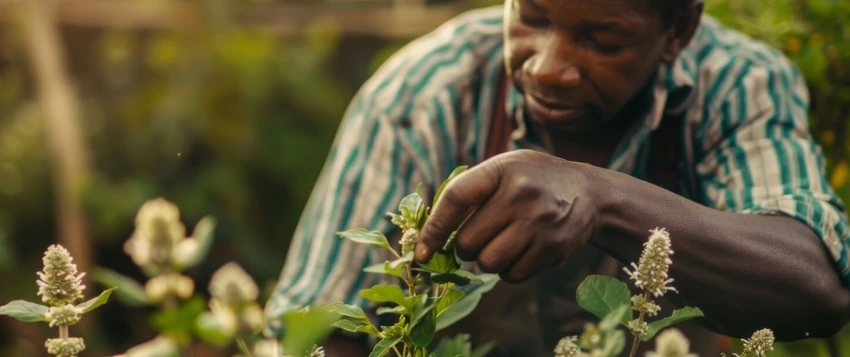

Traditional medicine in South Africa is deeply connected to culture, community knowledge, spirituality and approaches to health that have developed over generations. African traditional medicine includes far more than the use of medicinal plants: it can involve indigenous healing systems, cultural beliefs, spiritual practices, diagnostic traditions and community-based approaches to wellness. Healthcare professionals and learners interested in understanding these systems in a modern care context can explore the Herbal & Indigenous Medicine programme at Regenesys School of Health Sciences.
Traditional healthcare continues to hold social and cultural significance in South Africa, while questions around safety, regulation, evidence, indigenous knowledge and its relationship with biomedical healthcare remain important.
Understanding African traditional medicine therefore requires a balanced approach: one that respects indigenous knowledge and cultural heritage while recognising the importance of evidence, quality, patient safety and ethical healthcare practice.
TABLE OF CONTENTS
What Is African Traditional Medicine?
African traditional medicine refers broadly to health knowledge, practices and beliefs that developed within African cultural and historical contexts and have been passed between generations.
The World Health Organization describes traditional medicine as systems of healthcare and well-being that originate in particular historical and cultural settings and pre-date modern biomedicine.
Traditional medicine can therefore include:
- Herbal preparations;
- Indigenous medicinal plants;
- Traditional diagnostic practices;
- Spiritual or ancestral beliefs;
- Counselling and community support;
- Dietary practices;
- Physical or ritual practices; and
- Knowledge passed between generations.
For a broader explanation of complementary and traditional approaches to health, read Alternative Health Approaches – What Are We Talking About?.
Why Is Traditional Medicine Important in South Africa?
Traditional medicine is important in South Africa because health is not understood purely as a biological issue in every cultural setting.
For many communities, ideas about illness and wellness may also involve family, community relationships, spirituality, ancestry, environment and cultural identity.
This broader understanding can shape:
- Where people seek care;
- How illness is interpreted;
- Which treatments people trust;
- How patients communicate about symptoms;
- Whether traditional and biomedical healthcare are used together; and
- How treatment decisions are made.
For healthcare professionals, cultural awareness can therefore improve communication and help them understand why patients may use traditional practices alongside clinical treatment.
Traditional Medicine South Africa: Key Features at a Glance
| Aspect | Traditional Medicine Context |
|---|---|
| Knowledge base | Indigenous knowledge, experience, cultural practices and community traditions |
| Approach to health | May consider physical, social, environmental, cultural and spiritual factors |
| Common resources | Medicinal plants, herbal preparations and other traditional practices |
| Practitioners | Different categories of traditional health practitioners may have different cultural and healing roles |
| Modern challenge | Balancing cultural knowledge with evidence, safety, quality and appropriate regulation |
Who Are Traditional Health Practitioners in South Africa?
Traditional healing is not a single uniform practice.
South African communities may recognise different types of practitioners with different roles, traditions and areas of knowledge.
Terms such as sangoma and inyanga are often used in discussions about traditional healing, but these roles should not automatically be treated as identical.
Depending on cultural context, practitioners may work with spiritual interpretation, herbal knowledge, counselling, community traditions or combinations of these approaches.
This diversity is one reason it is more accurate to speak about traditional healing systems rather than assuming that all traditional practitioners follow the same methods.
What Is the Difference Between a Sangoma and an Inyanga?
The terms are culturally specific and can vary across communities, but they are often associated with different emphases.
A sangoma may be associated more strongly with divination, ancestral traditions and spiritual interpretation, while an inyanga may be associated more strongly with knowledge of medicinal substances, particularly plants and herbal preparations.
However, these roles can overlap, and practices differ between communities.
For this reason, broad definitions should be used carefully and respectfully rather than assuming one description applies to every practitioner.
What Role Do Medicinal Plants Play in African Traditional Medicine?
Medicinal plants are one of the most visible components of African traditional medicine.
Knowledge about plants may include:
- Which species are traditionally used;
- Which parts of the plant are selected;
- How plants are prepared;
- How preparations are administered;
- Which cultural uses are associated with them; and
- How knowledge is passed between practitioners and communities.
South Africa’s African Traditional Medicines Pharmacopoeia provides a national research resource containing information about the use, quality, efficacy, safety and conservation status of traditional medicinal plants.
The database is intended to support research and regulation. It should not be interpreted as evidence that every documented traditional use has been clinically proven.
African Medicinal Plants Documented in South Africa
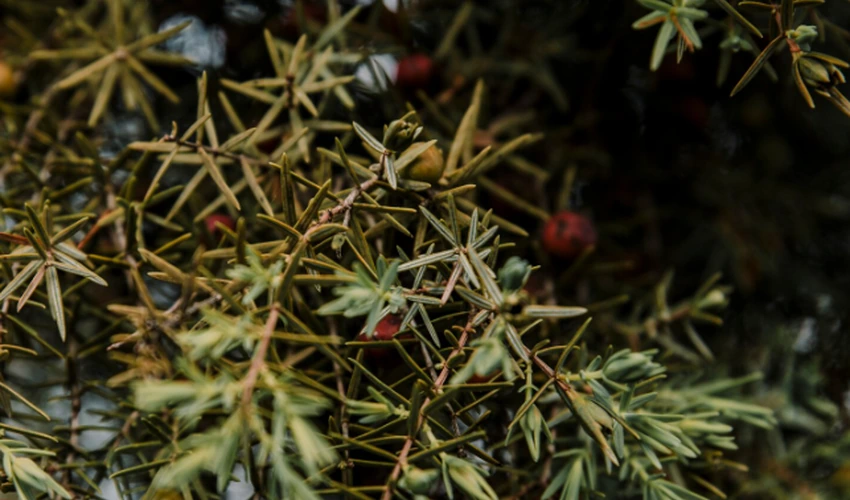
The African Traditional Medicines Pharmacopoeia contains monographs for numerous plants associated with traditional medicinal knowledge in Southern Africa.
| Plant | Why It Is Relevant | Important Note |
|---|---|---|
| Artemisia afra | Frequently documented in Southern African ethnomedicinal literature | Traditional use does not automatically establish clinical effectiveness |
| Aloe ferox | A well-known indigenous Southern African plant included in the pharmacopoeia | Preparation, dose and safety can differ depending on use |
| Agathosma betulina | Part of South Africa’s documented medicinal-plant knowledge | Traditional knowledge should be distinguished from evidence-based treatment claims |
| Hypoxis hemerocallidea | Commonly discussed in Southern African traditional-medicine literature | Potential interactions and safety considerations should be assessed carefully |
| Leonotis leonurus | Included in South African ethnomedicinal records and plant databases | Recorded use should not be presented as guaranteed medical benefit |
These examples illustrate the richness of indigenous plant knowledge while also showing why research, standardisation and responsible interpretation are important.
Is Herbal Medicine the Same as Traditional Medicine?
No. The terms overlap, but they are not identical.
Herbal medicine South Africa generally refers specifically to the use of plants or plant-derived preparations for health purposes.
Traditional medicine is broader.
It may include herbs, but it can also include:
- Spiritual beliefs;
- Community practices;
- Traditional diagnosis;
- Counselling;
- Rituals;
- Dietary approaches; and
- Other culturally rooted healing practices.
In other words, herbal medicine can form part of traditional medicine, but traditional medicine cannot be reduced to herbs alone.
Is Traditional Medicine Regulated in South Africa?
Yes. South Africa has legislation dealing specifically with traditional health practice.
The Traditional Health Practitioners Act 22 of 2007 establishes a regulatory framework for traditional healthcare services.
The Act addresses areas including:
- Registration of practitioners;
- Training;
- Professional conduct;
- Safety;
- Quality; and
- Regulation of specified categories within the profession.
The existence of this framework shows that traditional medicine is not merely a cultural issue. It also intersects with healthcare governance, professional standards and public safety.
Why Are Safety and Quality Important in Traditional Medicine?
The fact that a remedy is natural or traditional does not automatically mean that it is safe for every person or every situation.
Potential risks can include:
- Incorrect identification of medicinal plants;
- Contamination;
- Inconsistent preparation;
- Incorrect dosage;
- Toxic plant compounds;
- Interactions with prescription medicines;
- Use during pregnancy or existing medical conditions; and
- Delays in obtaining necessary clinical care.
WHO emphasises the importance of evidence, appropriate regulation, quality standards and patient safety when traditional and complementary health practices are used.
Readers can explore the World Health Organization’s guidance on traditional medicine for more information.
Can Traditional Medicine and Modern Healthcare Work Together?
Traditional and biomedical healthcare are sometimes presented as opposites, but in practice patients may use both.
This creates an important need for communication.
A healthcare professional who understands traditional health beliefs may be better able to ask patients respectful questions about:
- Herbal remedies they are taking;
- Traditional practitioners they consult;
- Cultural beliefs influencing treatment decisions;
- Concerns about biomedical treatment; and
- Potential medicine interactions.
The goal should not be to dismiss cultural practices or accept every practice without question.
A safer approach is culturally informed, evidence-aware and patient-centred.
Why Cultural Awareness Matters in Healthcare
Cultural beliefs can influence how patients understand illness and whether they trust a particular treatment.
If healthcare professionals ignore these beliefs completely, communication may suffer.
For example, a patient may use a traditional remedy without mentioning it because they believe the clinician will disapprove.
That information may be important if the herbal preparation could interact with prescribed medicines.
Cultural competence therefore does not mean accepting every health claim as scientifically established.
It means understanding the patient’s perspective well enough to communicate safely and respectfully.
What Is Indigenous Medicine in South Africa?
Indigenous medicine South Africa refers to health knowledge and practices rooted in the traditions and lived experience of indigenous communities.
This knowledge can include medicinal plants, preparation methods, interpretations of illness, cultural beliefs, environmental knowledge and community practices.
One of its defining characteristics is that it is closely connected to local cultural and ecological contexts.
For that reason, indigenous medicine is also connected to questions about:
- Intellectual property;
- Protection of community knowledge;
- Benefit sharing;
- Research ethics;
- Commercialisation; and
- Cultural ownership.
Why Is Indigenous Knowledge Important?
Indigenous knowledge represents generations of observation, experimentation, cultural memory and interaction with the natural environment.
It can contribute to research into medicinal plants and healthcare practices, but this must be done ethically.
Extracting knowledge from communities without acknowledgement, consent or fair benefit can create serious ethical problems.
Responsible research should therefore respect the communities from which knowledge originates.
Traditional Medicine and Biodiversity Conservation
Medicinal plants depend on healthy ecosystems.
If demand for a particular species increases faster than it can regenerate, traditional medicinal knowledge can become linked to conservation challenges.
Potential concerns include:
- Overharvesting;
- Destruction of roots or bark;
- Habitat loss;
- Commercial pressure;
- Loss of plant diversity; and
- Declining access for local communities.
The African Traditional Medicines Pharmacopoeia incorporates conservation information from South Africa’s plant Red List, highlighting the connection between traditional medicine and biodiversity protection.
What Is the Difference Between Traditional and Western Medicine?
The distinction is not always simple, but the two systems often differ in how they approach health and evidence.
| Area | Traditional Medicine | Biomedical Healthcare |
|---|---|---|
| Knowledge source | Cultural knowledge, experience and inherited practice | Scientific research, clinical evidence and formal medical training |
| Health perspective | May consider physical, social, spiritual and cultural factors | Primarily uses biological and clinical frameworks |
| Treatment | May involve plants, rituals, counselling or traditional practices | May include medicines, surgery, rehabilitation and other clinically tested interventions |
| Evidence standard | May rely partly on historical and experiential knowledge | Relies primarily on scientific and clinical evidence |
These differences do not mean that the two systems cannot communicate. The challenge is finding ways to respect cultural health practices while maintaining standards of safety and evidence.
What Are the Challenges Facing African Traditional Medicine?
African traditional medicine South Africa faces several long-term challenges.
These include:
- Limited clinical research on some traditional remedies;
- Difficulty standardising herbal preparations;
- Potential medicine interactions;
- Quality-control concerns;
- Loss of indigenous knowledge;
- Overharvesting of medicinal plants;
- Misrepresentation of traditional practices;
- Unequal recognition between healthcare systems; and
- The need for respectful collaboration between practitioners.
Addressing these issues requires cooperation between researchers, traditional practitioners, policymakers, healthcare professionals and communities.
What Is the Future of Traditional Medicine in South Africa?
The future of traditional medicine is likely to involve greater attention to research, regulation, documentation and collaboration.
Digital resources such as the African Traditional Medicines Pharmacopoeia are already helping to preserve and organise published knowledge about medicinal plants.
At the same time, healthcare systems are increasingly recognising the importance of understanding patient beliefs and traditional health practices.
Future development may therefore focus on:
- Better research into medicinal plants;
- Improved quality standards;
- Stronger practitioner regulation;
- More culturally responsive healthcare;
- Responsible preservation of indigenous knowledge;
- Conservation of medicinal plant species; and
- Safer communication between traditional and biomedical practitioners.
Learning About Herbal and Indigenous Medicine in a Healthcare Context
Healthcare professionals, public-health practitioners, traditional healers and students may benefit from developing a clearer understanding of how indigenous health beliefs influence patient care.
The Regenesys Herbal & Indigenous Medicine Short Learning Programme introduces participants to traditional and indigenous health systems and their relationship with modern healthcare.
The programme explores areas such as cultural beliefs, herbal remedies, safe practice, ethical considerations and collaboration between traditional and biomedical practitioners.
It is currently offered online over three days.
Those interested in the broader relationship between traditional, complementary and alternative health approaches can also explore this RegInsights guide to alternative health approaches.
Conclusion
Traditional medicine in South Africa is both a healthcare practice and a form of cultural knowledge.
Its role extends beyond medicinal plants to include beliefs about health, community relationships, indigenous knowledge and traditional healing systems.
At the same time, responsible healthcare requires attention to safety, evidence, regulation and communication.
African traditional medicine should therefore be understood neither as something to dismiss automatically nor as something that should be accepted without scrutiny.
A balanced approach recognises cultural heritage while supporting safe, ethical and evidence-informed healthcare.
As South Africa continues to document indigenous medicinal knowledge and strengthen traditional-health regulation, the relationship between traditional and modern healthcare is likely to remain an important part of the country’s health conversation.
Frequently Asked Questions About Traditional Medicine in South Africa
What is African traditional medicine?
African traditional medicine refers to health knowledge, beliefs and practices that developed within African cultural contexts. It can include herbal remedies, indigenous healing systems, spiritual practices, counselling and community-based approaches to health.
Is traditional medicine legal in South Africa?
Traditional health practice is recognised within South Africa’s legal framework. The Traditional Health Practitioners Act 22 of 2007 provides for regulation, registration, training and professional conduct within specified categories of traditional health practice.
What is the difference between traditional medicine and herbal medicine?
Herbal medicine focuses specifically on plant-based preparations. Traditional medicine is broader and may include herbal remedies as well as cultural, spiritual, diagnostic and community-based healing practices.
What plants are used in African traditional medicine?
South Africa’s African Traditional Medicines Pharmacopoeia documents numerous plants associated with traditional medicinal use, including Artemisia afra, Aloe ferox, Agathosma betulina and Hypoxis hemerocallidea. Documented traditional use should not automatically be interpreted as proven clinical effectiveness.
Who are traditional healers in South Africa?
Traditional health practitioners may have different roles depending on culture and community. Some may specialise in herbal knowledge, while others may focus more strongly on spiritual interpretation, counselling or ancestral traditions.
What is the difference between a sangoma and an inyanga?
In broad terms, sangomas are often associated with divination and ancestral traditions, while izinyanga are commonly associated with herbal knowledge. However, these roles can overlap and vary across cultural contexts.
Is traditional medicine safe?
Safety depends on the remedy, preparation, dose, individual health circumstances and possible medicine interactions. Natural or traditional products are not automatically safe, so quality control and appropriate healthcare guidance are important.
Can traditional medicine be used with modern medicine?
Some people use both traditional and biomedical healthcare. Open communication with healthcare professionals is important because herbal preparations may interact with prescribed medicines or affect treatment decisions.
Why is indigenous medicine important in South Africa?
Indigenous medicine preserves cultural knowledge about health, plants, communities and healing traditions. It is also relevant to research, cultural identity, biodiversity and discussions about ethical use of indigenous knowledge.
Can healthcare professionals study herbal and indigenous medicine?
Yes. Educational programmes can help healthcare professionals understand traditional health systems, patient beliefs, herbal safety and culturally responsive care. The Regenesys Herbal & Indigenous Medicine programme is one example of a short learning programme in this area.