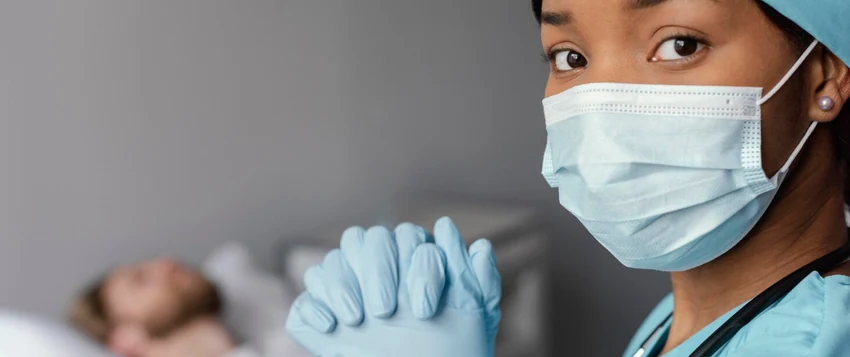

Infection prevention and control is essential because it reduces the spread of harmful microorganisms and helps protect patients, healthcare workers, caregivers and visitors across healthcare and community settings.
Every healthcare interaction carries some level of infection risk. Germs can move through hands, contaminated surfaces, medical equipment, respiratory droplets, body fluids and invasive procedures. When appropriate precautions are not followed, a healthcare environment intended to promote recovery may unintentionally expose people to further illness.
Effective infection control is therefore not limited to washing hands or wearing gloves. It requires trained people, clear policies, reliable supplies, safe facilities, responsible leadership and consistent monitoring.
The Regenesys Infection Control and Prevention Short Learning Programme introduces participants to practical measures for reducing infection risks in healthcare and community environments. The programme covers areas such as hand hygiene, personal protective equipment, standard precautions, antimicrobial resistance, outbreak response and facility preparedness.
This article explores the importance of infection prevention and control, how healthcare-associated infections develop and what healthcare professionals and organisations can do to create safer environments.
TABLE OF CONTENTS
What Is Infection Prevention and Control?
Infection prevention and control, commonly called IPC, is a coordinated approach used to prevent infections from spreading within healthcare facilities, care environments and communities.
It includes the procedures, behaviours and organisational systems used to interrupt the movement of infectious microorganisms from one person, surface or piece of equipment to another.
IPC applies across a wide range of environments, including:
- Hospitals
- Public and private clinics
- Doctors’ consulting rooms
- Dental practices
- Community healthcare programmes
- Emergency medical services
- Laboratories
- Pharmacies
- Frail-care and long-term care facilities
- Home-based care settings
- Occupational-health environments
- Non-profit and humanitarian health programmes
Infection control practices must be applied consistently because a person may carry or transmit an infectious organism before symptoms become obvious.
Why Is Infection Prevention and Control Important?
The importance of infection prevention and control extends beyond preventing an individual case of illness. Strong IPC practices support patient safety, employee protection, healthcare quality and the wider ability of health systems to respond to infectious threats.
It Protects Patients From Avoidable Harm
Patients may already be vulnerable because of illness, surgery, injury, age or weakened immunity. Acquiring an additional infection while receiving care can complicate treatment and delay recovery.
Some infections may require additional medicines, procedures or extended hospital stays. Others may lead to long-term disability or life-threatening complications.
Preventing infection is therefore a fundamental part of safe and responsible patient care.
It Protects Healthcare Workers
Healthcare professionals and support employees may be exposed to blood, body fluids, respiratory secretions, contaminated equipment and infectious patients during their daily work.
Appropriate hand hygiene, PPE, sharps safety, respiratory precautions and exposure-management processes can reduce occupational risks.
Protecting healthcare workers also supports continuity of care. When large numbers of employees become ill, facilities may experience staffing shortages and greater pressure on the remaining workforce.
It Protects Families and Communities
Infections acquired in a healthcare facility may spread beyond the facility when patients, visitors or employees return home.
Effective precautions can reduce the likelihood of infectious organisms moving between healthcare environments and communities.
It Supports Healthcare Quality
Healthcare quality cannot be measured only by whether a procedure was completed or medicine was prescribed. Care must also be delivered in a way that reduces preventable harm.
Strong infection-control systems demonstrate that a facility takes patient safety, employee wellbeing and professional accountability seriously.
What Are Healthcare-Associated Infections?
Healthcare-associated infections, often called HAIs, are infections that develop while a person is receiving healthcare or shortly after treatment.
They can occur in hospitals, clinics, long-term care facilities, outpatient practices and home-care environments.
Examples may include:
- Surgical-site infections
- Catheter-associated urinary tract infections
- Bloodstream infections associated with intravenous lines
- Pneumonia associated with ventilation or prolonged hospitalisation
- Gastrointestinal infections
- Infections transmitted through contaminated medical equipment
- Occupational infections affecting healthcare workers
The risk of an HAI may increase when patients undergo invasive procedures, use medical devices, remain in hospital for extended periods or have weakened immune systems.
The World Health Organization reports that healthcare-associated infections affect patients and health systems every day. They can increase suffering and healthcare costs, contribute to disability and create additional pressure on already stretched services.
How Do Infections Spread in Healthcare Settings?
Preventing infection requires an understanding of how infectious organisms move from a source to a susceptible person.
Common transmission routes include:
Direct Contact
Direct transmission may occur when one person physically contacts another person and transfers an infectious organism.
Indirect Contact
Germs may move through contaminated gloves, instruments, bed rails, door handles, mobile devices, linen or other frequently touched objects.
Droplet Transmission
Respiratory droplets produced through coughing, sneezing, talking or certain procedures may expose people who are nearby.
Airborne Transmission
Some infectious particles can remain suspended in the air and travel beyond close contact, particularly in poorly ventilated spaces.
Blood and Body Fluids
Exposure may occur through needlestick injuries, sharps accidents, broken skin or contact with mucous membranes.
Contaminated Equipment
Reusable equipment that has not been cleaned, disinfected or sterilised correctly may transmit microorganisms between patients.
Who Is Most at Risk?
Anyone can acquire an infection, but some people face a greater risk of serious complications.
Higher-risk groups may include:
- Newborn babies
- Older adults
- Surgical patients
- People receiving intensive care
- Patients using catheters or intravenous lines
- People receiving cancer treatment
- Individuals living with chronic conditions
- People with weakened immune systems
- Patients requiring prolonged hospitalisation
- Healthcare workers with repeated exposure risks
Healthcare professionals should not rely only on visible symptoms when deciding whether precautions are necessary. Standard precautions are intended to support safe care for every patient.
Core Infection Prevention and Control Measures
Effective infection control in healthcare combines individual behaviour with systems that make safe practice possible.
Hand Hygiene
Hands are one of the most common ways microorganisms move between patients, staff, surfaces and equipment.
Healthcare personnel should perform hand hygiene at the appropriate moments, including before touching a patient, before an aseptic procedure, after body-fluid exposure, after touching a patient and after touching the patient’s surroundings.
Facilities must also ensure that soap, clean water, alcohol-based hand rub and appropriate drying materials are consistently available.
Personal Protective Equipment
PPE may include gloves, gowns, aprons, medical masks, respirators and eye protection.
The correct equipment should be selected according to the expected exposure risk. Healthcare workers must also know how to put on, remove and dispose of PPE without contaminating themselves or the surrounding environment.
Environmental Cleaning and Disinfection
Patient-care environments contain many surfaces that are touched repeatedly. These may include bed rails, examination tables, switches, handles and workstations.
Cleaning removes dirt and organic material, while disinfection reduces harmful microorganisms. Both depend on appropriate products, correct concentrations, sufficient contact time and trained personnel.
Safe Use of Medical Equipment
Reusable medical equipment must be cleaned and reprocessed between patients according to the equipment type and manufacturer’s instructions.
Single-use devices should not be reused unless a legally and clinically appropriate reprocessing system exists.
Respiratory Hygiene
Healthcare facilities should identify people with respiratory symptoms early and apply appropriate precautions.
Measures may include masks, ventilation, physical separation, cough etiquette, hand hygiene and clear patient communication.
Injection and Sharps Safety
Unsafe injections and poor sharps disposal can expose patients and employees to serious infection risks.
Facilities should provide approved sharps containers, safe handling procedures and clear exposure-response protocols.
Waste and Linen Management
Healthcare waste and contaminated linen should be handled, stored, transported and disposed of in ways that reduce exposure to workers, patients and the public.
Strengthen Your Infection-Control Knowledge
Learn how infections spread, how standard precautions reduce risk and how healthcare environments can prepare for outbreaks.
Explore the Regenesys Infection Control and Prevention Programme.
How Infection Control Protects Healthcare Workers
Healthcare workers may encounter infectious organisms during examinations, procedures, cleaning, waste handling, specimen collection and emergency care.
An effective IPC programme protects employees through:
- Job-specific training
- Appropriate PPE
- Vaccination policies
- Safe staffing arrangements
- Exposure-reporting procedures
- Needlestick and sharps protocols
- Respiratory protection
- Access to occupational-health services
- Clear sick-leave procedures
- Post-exposure assessment and support
Healthcare workers also need an environment in which safety concerns can be reported without fear of unfair punishment.
When employees are expected to follow precautions but are not given sufficient time, equipment or training, infection risk becomes an organisational problem rather than simply an individual failure.
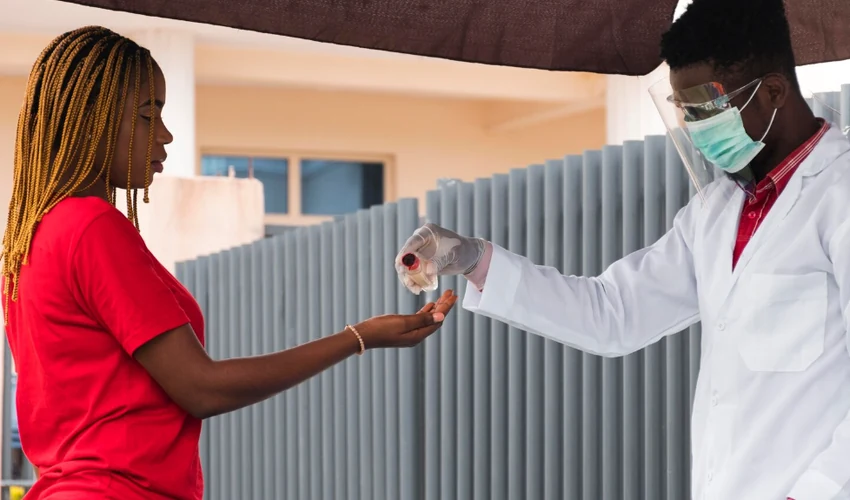
The Connection Between Infection Control and Antimicrobial Resistance
Antimicrobial resistance develops when microorganisms change in ways that reduce the effectiveness of medicines used to treat them.
When preventable infections occur, more patients may require antimicrobial treatment. Resistant organisms can also spread between patients, facilities and communities.
Strong infection prevention and control can reduce the number of infections that require treatment and limit opportunities for resistant organisms to spread.
IPC should therefore work alongside:
- Responsible antimicrobial prescribing
- Diagnostic testing
- Resistance surveillance
- Patient education
- Medicine-use monitoring
- Outbreak investigation
Why IPC Matters During Outbreaks and Emergencies
Healthcare facilities may amplify transmission during an outbreak when infected and vulnerable people are brought together in crowded environments.
Recent outbreaks have demonstrated the importance of preparedness for respiratory viruses and other emerging infectious diseases.
Outbreak readiness may include:
- Early screening and triage
- Case identification
- Isolation or separation procedures
- Contact tracing support
- Appropriate PPE
- Environmental cleaning
- Clear staff communication
- Visitor management
- Ventilation assessment
- Surveillance and reporting
- Continuity planning
Prepared facilities can respond more quickly because staff members understand their responsibilities and essential resources have already been identified.
Infection Prevention and Control in South Africa
Infection prevention and control in South Africa must address the realities of both public and private healthcare, as well as community care and occupational settings.
Facilities may operate with different levels of infrastructure, staffing, water access, ventilation, equipment and specialist expertise. These differences can affect how consistently infection-control measures are applied.
South Africa’s National Infection Prevention and Control Strategic Framework and practical implementation guidance support public and private facilities in developing systematic IPC programmes.
The guidance recognises that effective infection control requires action at several levels, including national, provincial, district, facility and community levels.
Readers can access national implementation resources through the Department of Health Knowledge Hub.
The Role of Leadership and Organisational Support
Infection control cannot succeed when it is treated as the responsibility of one nurse, committee or department.
Healthcare leaders should create the conditions required for safe practice by:
- Assigning responsibility for the IPC programme
- Providing adequate staffing and supplies
- Maintaining written policies
- Supporting employee training
- Monitoring compliance
- Reviewing infection data
- Responding to identified risks
- Maintaining water, sanitation and hygiene infrastructure
- Creating clear accountability
- Supporting continuous improvement
Managers should also recognise that poor compliance may indicate a weakness in workflow, staffing, equipment availability or facility design.
Why Infection-Control Training Matters
Employees cannot apply precautions consistently when they do not understand why they are needed or how infections spread.
Effective training should be relevant to each person’s role and should cover the tasks they are expected to perform.
Training may help participants understand:
- The chain of infection
- Standard and transmission-based precautions
- Hand-hygiene requirements
- Correct PPE selection and use
- Environmental cleaning
- Waste and sharps management
- Antimicrobial resistance
- Outbreak response
- Facility preparedness
- Reporting and monitoring
Education should be supported by practical demonstrations, workplace supervision, refresher learning and feedback.
Who Should Study Infection Control and Prevention?
The Regenesys short learning programme may be relevant to people working in environments where infection risks must be recognised and controlled.
Potential participants include:
- Public and private healthcare workers
- Community health workers
- Caregivers and home-based carers
- Frail-care and long-term care employees
- Environmental health and sanitation workers
- Healthcare administrators
- Occupational health and safety representatives
- NGO and NPO health-programme staff
- Support employees in healthcare environments
- People interested in healthcare safety
The programme is delivered online over three days and provides 24 clinical Continuing Education Units. Admission requirements include a National Senior Certificate or equivalent qualification, basic computer literacy and proficiency in written and spoken English.
Completing a short course does not replace professional registration, clinical qualifications or employer-specific training. However, it can strengthen practical knowledge and help participants understand their responsibilities within an infection-control system.
How Infection-Control Knowledge Can Support Your Career
Knowledge of infection prevention and control is relevant across clinical, community, administrative, environmental and occupational-health roles.
It may help professionals:
- Identify infection risks more confidently
- Apply standard precautions more consistently
- Support patient and employee safety
- Contribute to workplace policies
- Participate in outbreak preparedness
- Promote responsible PPE use
- Support quality-improvement initiatives
- Understand antimicrobial resistance
- Communicate infection risks more effectively
- Contribute to safer healthcare environments
These capabilities may be especially useful for healthcare workers seeking greater responsibility in patient safety, quality assurance, occupational health, community health or facility operations.
Help Create Safer Healthcare Environments
Develop practical knowledge of hygiene, PPE, standard precautions, antimicrobial resistance, outbreak response and facility preparedness.
Conclusion
Infection prevention and control is important because it protects patients, healthcare workers, families and communities from avoidable infections.
Effective IPC extends beyond individual hygiene. It requires leadership, training, appropriate equipment, clean environments, reliable infrastructure and consistent monitoring.
Strong infection-control systems can reduce healthcare-associated infections, support the fight against antimicrobial resistance and improve readiness for infectious-disease outbreaks.
Healthcare professionals and support workers who understand infection risks can contribute more effectively to patient safety and healthcare quality.
The Regenesys Infection Control and Prevention Short Learning Programme offers a focused opportunity to develop this knowledge and understand how practical measures can support safer environments.
Frequently Asked Questions
What is infection prevention and control?
Infection prevention and control is a coordinated set of practices used to reduce the spread of infectious microorganisms in healthcare, community and workplace environments.
Why is infection prevention and control important in healthcare?
It protects patients and healthcare workers, reduces healthcare-associated infections, supports quality care and helps prevent infectious organisms from spreading into communities.
What are the main infection-control measures?
Core measures include hand hygiene, risk-based PPE use, environmental cleaning, respiratory hygiene, injection safety, safe equipment reprocessing and appropriate waste management.
Who should study infection control and prevention?
Healthcare workers, caregivers, community health workers, sanitation employees, occupational-health representatives and people working in environments with infection risks may benefit from structured training.
Does an infection-control course qualify someone as a clinical specialist?
No. A short programme develops relevant knowledge but does not replace a professional healthcare qualification, clinical registration or specialist certification.
What is the main purpose of infection prevention and control?
The main purpose of infection prevention and control is to stop harmful microorganisms from spreading between patients, healthcare workers, equipment and environments. It helps prevent avoidable infections and supports safer healthcare delivery.
What are standard precautions in infection control?
Standard precautions are infection-control measures applied when caring for every patient, regardless of whether an infection has been confirmed. They include hand hygiene, appropriate personal protective equipment, respiratory hygiene, injection safety and safe handling of equipment, waste and linen.
How does hand hygiene prevent infections in healthcare?
Hand hygiene removes or reduces microorganisms that healthcare workers may pick up from patients, surfaces and equipment. Cleaning hands at the correct moments helps interrupt transmission before germs reach another patient, employee or environment.
What is the difference between infection prevention and infection control?
Infection prevention focuses on actions taken before an infection occurs, while infection control includes measures used to contain and manage an identified or suspected infection. In practice, both form part of one coordinated approach to reducing transmission.
How can healthcare facilities improve infection prevention and control?
Healthcare facilities can improve infection prevention and control by training employees, maintaining reliable hygiene supplies, monitoring compliance, cleaning environments correctly, managing medical equipment safely and responding quickly to infection risks and outbreaks.