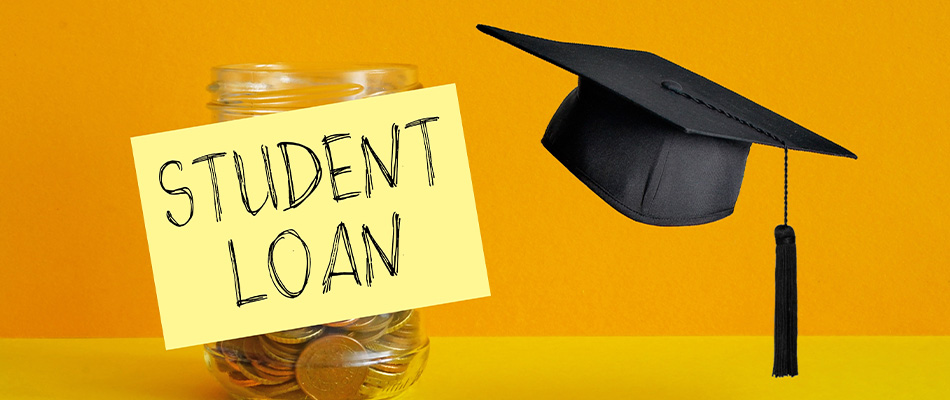
Financing higher education is one of the most important decisions students and families face in South Africa. With rising tuition and textbook costs, many students consider taking out loans to cover their studies.
The two most common options available are student loans and personal loans. While both can help cover education costs, they differ in structure, cost, and eligibility.
In this article, we will compare student loans vs personal loans and make it easier for students to choose their financial aid.
Table of Contents
What Is a Student Loan?
Student loans are a type of financial aid that helps students cover the cost of higher education in accredited institutions. In South Africa, student loans can be offered by government providers such as NSFAS, banks, and private lenders.
A guarantor is required when applying for student loans. This is usually a parent or guardian who can help cover monthly fees and interest while the student studies. The loan transfers to the student upon graduation from their programme.
Student loans are designed to reduce the immediate financial burden of higher education on families. Student loans typically offer lower interest rates, structured repayment plans, and repayments begin after graduation. Most providers offer a 6-month grace period after graduation to allow students to seek employment.
Regenesys Education partners with trusted banks and recognised lenders to help learners access student funding options. Flexible payment plans are also available to help manage study costs more effectively.
How Does a Student Loan Work?
Student loans are the preferred form of financing to help pay for higher studies. However, it is important for students to understand how they work before finalising a loan. They must research the available options and negotiate the terms.
Listed below are some aspects that will allow learners to understand how student loans work:
- Interest Rates: The cost lenders charge for borrowing money. Student loans often have lower interest rates compared to other types of credit.
- Duration: Student loans are offered for a 12-month period in South Africa. Therefore, students are required to maintain good grades and reapply for each year of study.
- Repayment Start Date: Repayments typically begin after graduation, often following a grace period of up to six months. While studying, the guarantor only pays for interest and fees.
- Repayment Plans: Monthly instalments are spread over several years, making payments more manageable.
- Expenses Covered: Depending on the lender, the loan may cover fees, housing, textbooks, and other related expenses. In South Africa, the loan amount is directly credited to the institution.
- Loan Agreement: Before the loan is approved, students must agree to all the terms of the contract.
What Is a Personal Loan?
A personal loan is a type of financing that individuals can use to cover a range of expenses. These are primarily used for major purchases, such as a house or a car. In some instances, personal loans can also be used to cover the cost of higher education.
Personal loan amounts are paid in a lump sum into the borrower’s personal bank account. This is a major difference when comparing student loans vs personal loans. These loans also carry higher interest rates and require monthly repayments almost immediately.

When Is a Personal Loan Used for Education?
A personal loan may be used to fund higher education when learners are unable to meet the criteria for student loans. In such cases, a personal loan offers an alternative to help students complete their studies.
These loans can be used to fund short or non-accredited courses. This is another difference when comparing student loans vs personal loans. A personal loan can sometimes be a faster option available to students in South Africa.
While they offer higher interest rates, these loans are preferred by those who wish to enrol for short courses or certifications.
Student Loans vs Personal Loans: Key Differences Explained
When exploring funding for higher education, it is important for students to evaluate all options carefully. Student loans are specifically designed to fund accredited higher education programmes and offer benefits to students. Personal loans, on the other hand, offer faster approval and can be used for a range of courses and expenses.
The table below helps to provide an easy comparison for student loans vs personal loans:
Factors | Student Loans | Personal Loans |
Purpose | Designed for higher education | Can be used for any expense, including studies |
Interest Rates | Lower than personal loans | Higher than student loans |
Repayments | Begin after graduation | Immediate monthly repayments |
Eligibility |
| Based on the borrower’s income and credit score |
Payment Method | Amount transferred directly to the institution | Amount transferred to the borrower’s personal account |
Impact while Studying | Guarantor pays interest and fees only | Borrower begins monthly repayments almost immediately |

Eligibility Requirements for Student Loans and Personal Loans
The eligibility criteria vary between student and personal loans due to the manner in which they are structured. Student loans are usually based on proof of registration at a recognised institution and financial need.
Personal loans, on the other hand, are based primarily on income and credit score.
1. Student Loans
These loans are designed for students pursuing higher education at accredited institutions. To be eligible, students must meet academic requirements. Students enrolled in full-time study also require a guarantor to help secure a loan.
When applying for student loans in South Africa, applicants must meet the following criteria:
- Must be a South African national
- Must be studying or accepted at an accredited higher education institution
- Have a guarantor who can pay the monthly fees and charges
- Proof of income from the guarantor of at least R3,000 monthly
2. Personal Loans
Personal loans are available for a variety of financial needs, including education-related expenses. Approval is usually based on the applicant’s income, credit score and overall financial profile. Since these loans are not designed for students, they focus on the borrower’s ability to repay the amount.
To borrow a personal loan in South Africa, applicants must meet the following criteria:
- Applicant must be 18 years or older
- Must be a South African citizen or smart card holder
- Must meet minimum income requirements
- Have a payslip for the past 3 months

Which Loan Option is Better for Students?
For most students, a student loan is generally the more suitable option when funding higher education. These loans are designed with students in mind and only seek repayment after graduation. With lower interest rates, student loans are more manageable for financing studies.
Personal loans for education should only be considered when a learner does not meet the eligibility criteria for student loans. These loans require immediate monthly repayments and carry higher interest rates. While these might be preferred by professionals enrolling in short courses, they are not practical for full-time students.
When comparing student loans vs personal loans, it is important to consider interest rates, repayment timelines, and total cost.
Read more on Top Funding For Undergraduate Degrees: Student Loans, Bursaries, and More here.
Explore Our Other Programmes
Conclusion
Students must conduct careful research before finalising a student financing plan. When we discuss student loans vs personal loans, they both support leaning, but they serve different needs.
Student loans are designed for higher education and typically offer lower interest rates. Personal loans, while more flexible and often quicker to access, carry higher interest rates. It is important for students to speak directly to lenders to explore the best rates available.
If you are looking to pursue an accredited programme, you must explore the available options on Regenesys Education. Visit the website to check admission criteria and apply for the next intake.
FAQs
What is the main difference between a student loan and a personal loan?
A student loan is designed to fund higher education studies, while a personal loan can be used for various needs.
Which loan is better for education: a student loan or a personal loan?
A student loan is preferred for full-time students. This is due to the lower interest rate and more favourable repayment terms.
Do student loans have lower interest rates than personal loans?
Yes, student loans typically have lower interest rates than personal loans. It is also possible for students to negotiate a more favourable rate with their bank or lender.
What are the risks of using a personal loan for education?
Personal loans require immediate monthly repayments. This can be difficult if the applicant loses their source of income.
How do I choose the right loan option for my education needs?
Before selecting a loan, compare the interest rates, repayment terms, and payment flexibility. Negotiate for the best rate that suits your current and future earning potential.