
Project-based work is becoming increasingly common across South Africa’s economy. This is particularly seen in sectors such as information technology, construction, finance, and healthcare. This has led to an increased demand.
A Project Consultant works closely with organisations to plan, execute, and improve projects. They bring a specialised knowledge and skill base to provide an external perspective.
In this article, we will cover how to become a Project Consultant in South Africa, including the education and skills required for the role.
Table of Contents
What is a Project Consultant?
A Project Consultant is an external role, and they are responsible for advising organisations on how to plan and complete projects. They analyse business needs, assess risks, and recommend strategies that align with organisational goals.
Their role often involves working with multiple stakeholders, including executives and technical teams. While a Project Manager focuses on day-to-day tasks, a consultant takes a broader approach.
Some tasks that a Project Consultant works on include:
- Meeting with stakeholders to identify business requirements and project scope
- Helps to develop project plans along with resource allocation and tentative deadlines
- Identifying potential risks and creating mitigation strategies
- Analysing the existing workforce and recommending changes for efficiency
- Regularly monitoring project progress to review performance and recommend improvements
How to Become a Project Consultant in South Africa?
South Africa offers a wide range of opportunities for project consultants to work in the public and private sectors. As businesses adopt new technologies and expand operations, the need for structured project delivery continues to grow.
However, it is important to understand how to become a Project Consultant before exploring the role.
1. Complete a Relevant Undergraduate Degree
The first step is to complete an accredited undergraduate degree to build a strong academic foundation. Some common degrees include Business Management, Engineering, and Information Technology.
These degrees help to introduce students to operational processes and organisational structures.
2. Gain Practical Experience
After completing a degree, it is important to gain hands-on experience in entry-level roles. These could be technical or project management-based roles. These allow them to understand how projects are managed in real-world environments. Fresh graduates learn about the different components of a project lifecycle, such as planning, resource allocation, and stakeholder management.
Over time, this helps to build the confidence required to take on project consultancy roles.
3. Develop Project Management Skills
While technical knowledge is important, consultants also need to develop project management skills. These help them guide organisations through every stage of a project, from initial planning to final delivery.
4. Complete a Postgraduate Degree
An advanced professional degree can help to strengthen your profile. It provides a structured approach to project management and demonstrates a commitment to the profession.
Professionals learn about the best practices, methodologies, and frameworks used in project management. When trying to understand how to become a Project Consultant, it is important to understand the importance of an advanced degree. While practical experience is important, an NQF Level 8 degree provides focused learning that develops expertise.
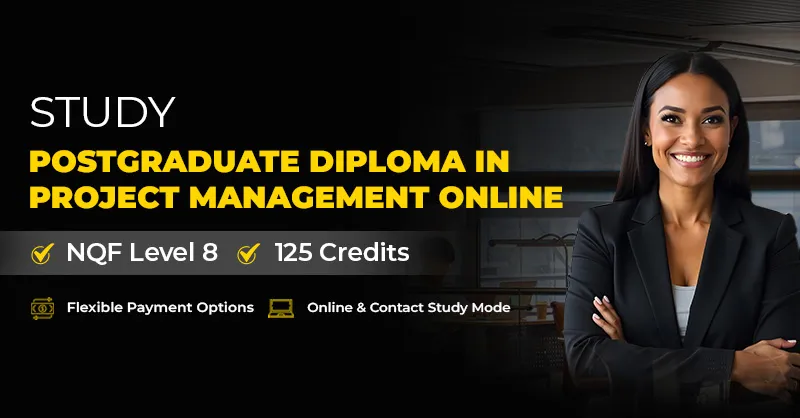
The Regenesys Postgraduate Diploma in Project Management is a CHE-accredited degree that helps prepare professionals for project-based roles. This 1-year programme can be completed at our campus in Sandton or through flexible learning formats.
5. Build Industry-Specific Expertise
Project consultants often specialise in specific industries. This allows them to offer more targeted advice and understand the unique challenges faced by different sectors. This is typically defined by the undergraduate degree that consultants complete. However, it is possible to transition between different related industries.
Developing expertise in a particular field can improve job opportunities and increase earning potential over time.

6. Build a Professional Network
Networking plays an important role in career development. Many project consulting opportunities arise through professional connections and industry relationships. This can be cultivated over the years through internships and job roles.
Read more on Project Management Concepts You Need To Know In 2026 here
Skills Needed to Become a Project Consultant
To seek Project Consultant positions and succeed in this role, consultants require a mix of technical and interpersonal skills. These allow them to manage projects effectively and maintain relationships with clients.
Developing these skills with education and experience can improve both performance and career growth prospects. The Regenesys Postgraduate Diploma in Project Management can help professionals develop these skills through our accredited programme.
Some skills that aspiring consultants should develop are:
- Proficiency in project management tools
- Strong communication and presentation skills
- Financial and budgeting knowledge
- Time management and organisation
- Analytical thinking and problem-solving skills
- Project management methodologies
Read on Essential Skills from PGDip Project Management You Need to Succeed
Project Consultant Salary in South Africa
The salary of a Project Consultant in South Africa is R853,796 according to Indeed. This figure is updated as of 6 January 2026.
It is important to note that actual earnings can vary depending on several factors, including experience level, industry, qualifications, and the complexity of projects handled. As professionals gain experience and build a strong track record, their earning potential can increase significantly.
Read more on Postgraduate Diploma in Project Management Salary: Trends, Factors, and Career Growth in South Africa here

Conclusion
Project consulting has become an important career path in South Africa as organisations increasingly rely on structured project delivery. Becoming a Project Consultant involves a combination of formal education, hands-on experience, and skills.
The Regenesys Postgraduate Diploma in Project Management provides strong technical knowledge and skills required for the role. With the right approach, project consulting offers a stable and rewarding career with long-term growth potential.
Visit the Regenesys Education website to enrol in our CHE-accredited programme to take the next step in your career.
FAQs
What does a Project Consultant do?
A Project Consultant advises organisations on planning, executing, and improving projects. They analyse requirements, assess risks, and recommend strategies to achieve project goals.
What qualifications are needed to become a Project Consultant in South Africa?
A relevant undergraduate degree in fields such as Business Management, Engineering, or Information Technology is typically required. An advanced degree, such as the Regenesys Postgraduate Diploma in Project Management, can further strengthen your profile.
What is the difference between a project manager and a project consultant?
A project manager focuses on executing and managing daily project activities, while a consultant provides strategic advice and evaluates overall project performance.
Can I become a Project Consultant without experience?
Most roles require some level of practical experience. Entry-level positions, such as project coordinator or analyst, can help build the necessary foundation.
How much do project consultants earn in South Africa?
The average salary is approximately R853,796 per year, although this can vary depending on experience, industry, and qualifications.