South Africa just celebrated one of its strongest matric outcomes, and then reality hit on Monday morning. Not the marks. The next step. Because passing is not the finish line. Placement is.
That tension is exactly why World Education Day matters. The International Day of Education exists to push countries past applause and into action, and UNESCO’s 2026 focus calls on youth to be co-creators of education, not just recipients of it.
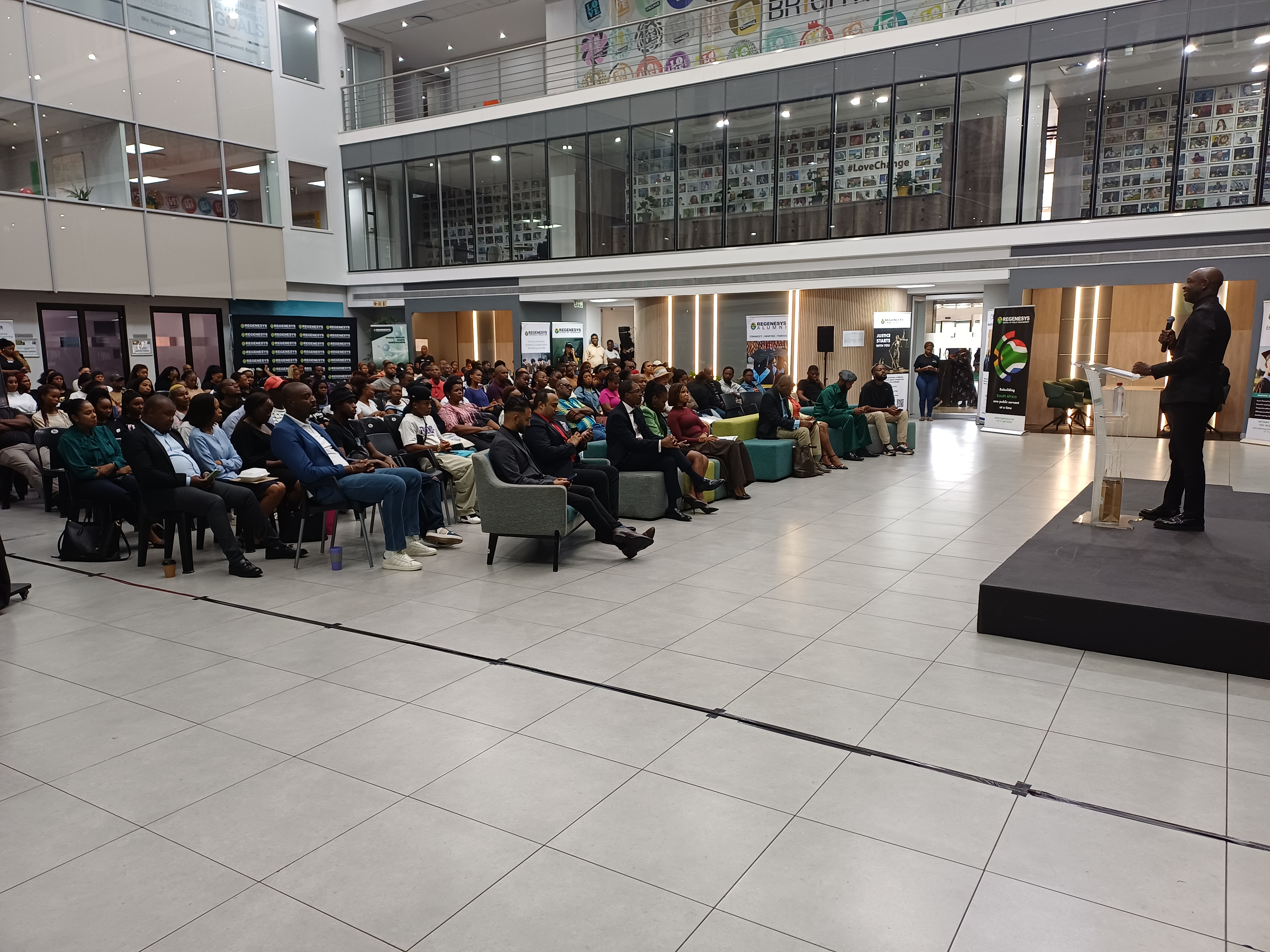
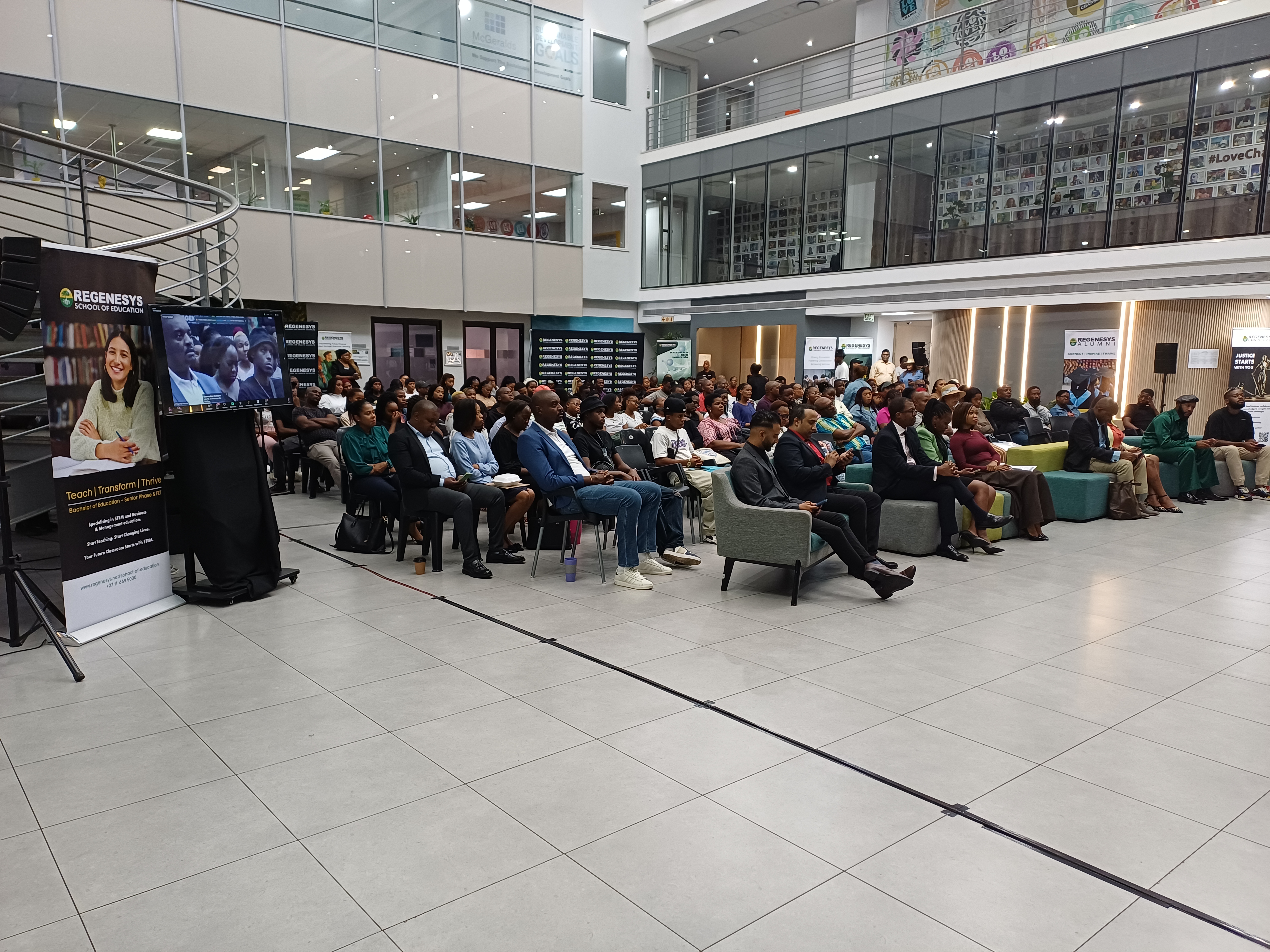
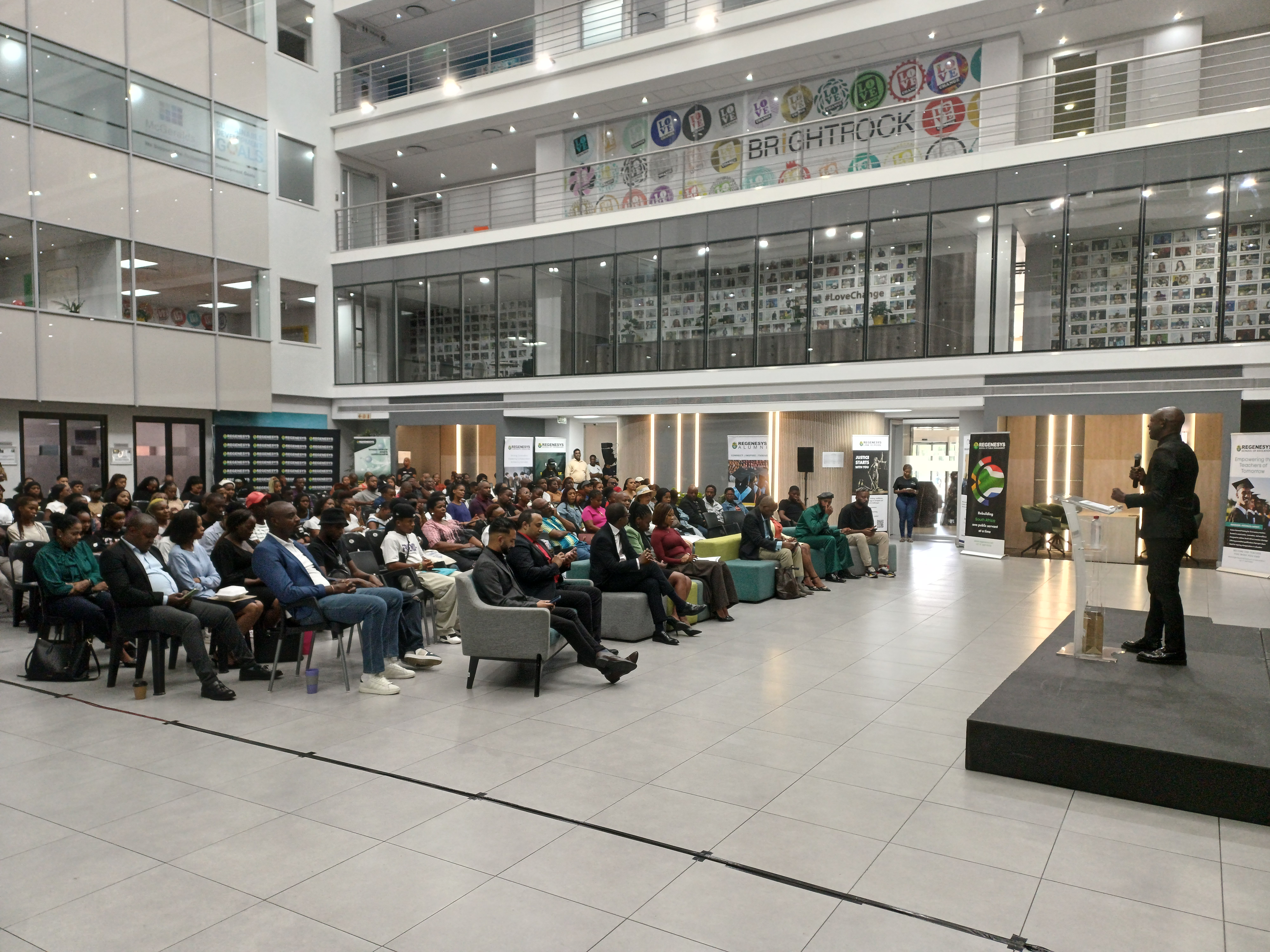
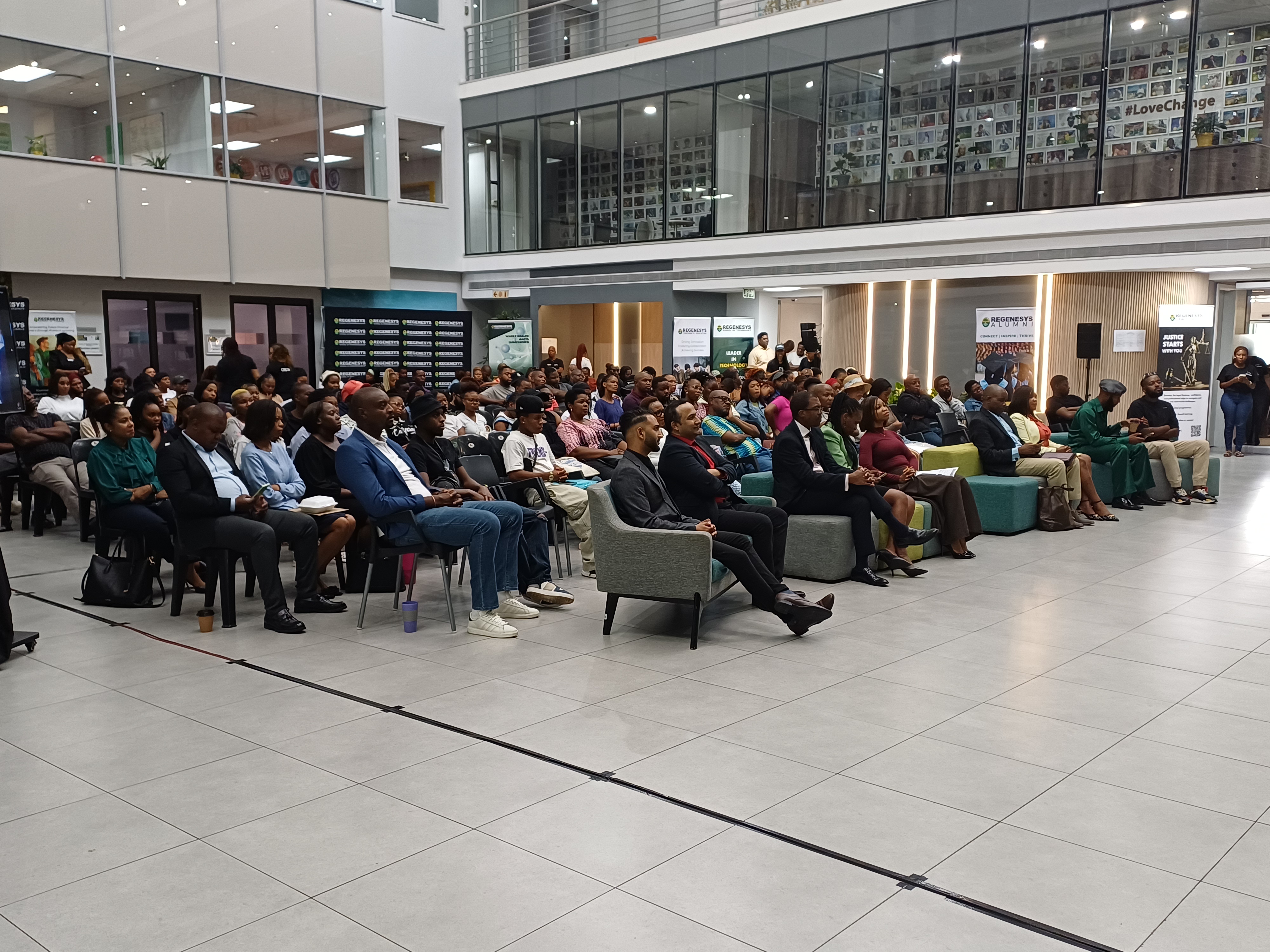
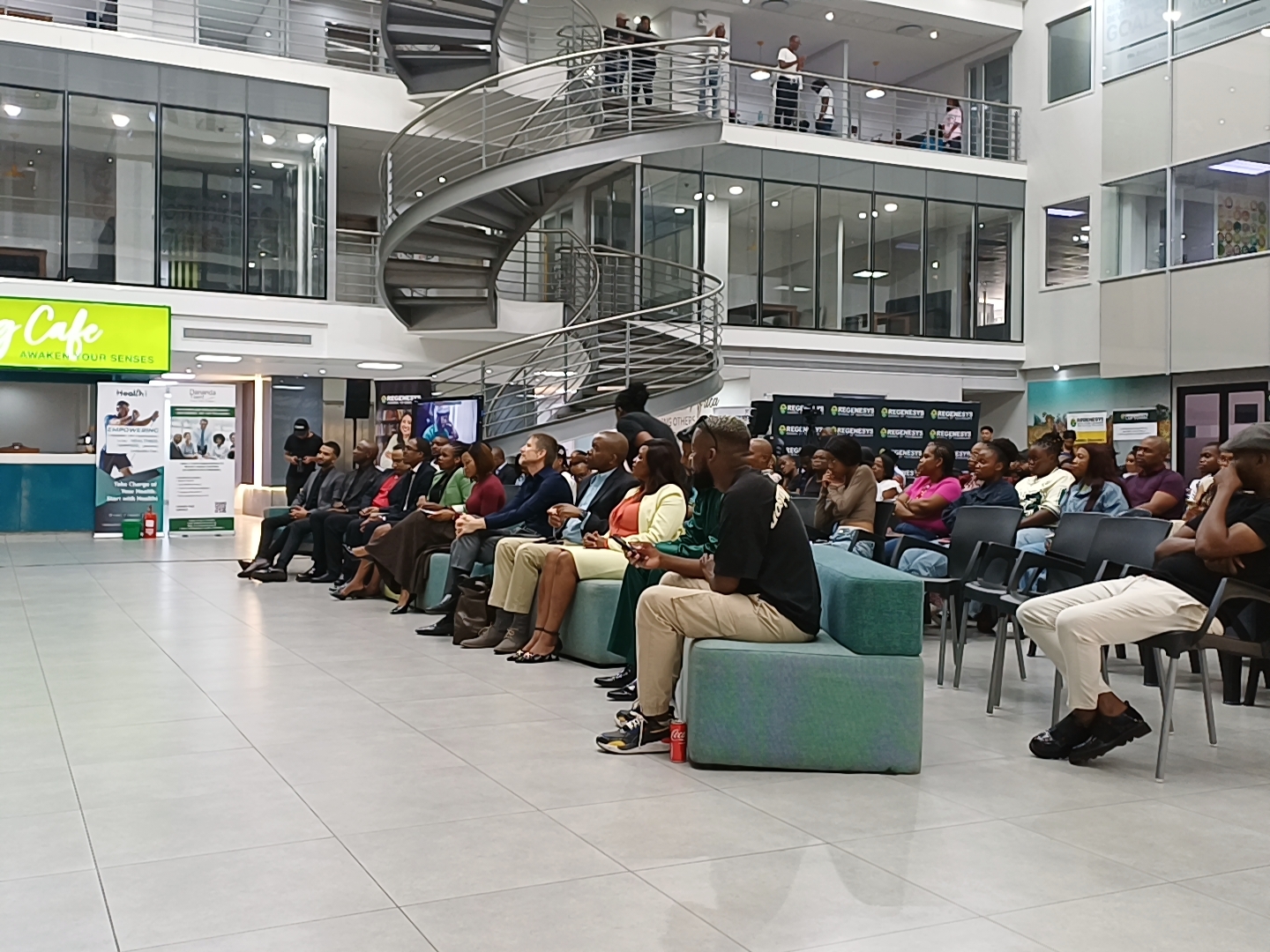
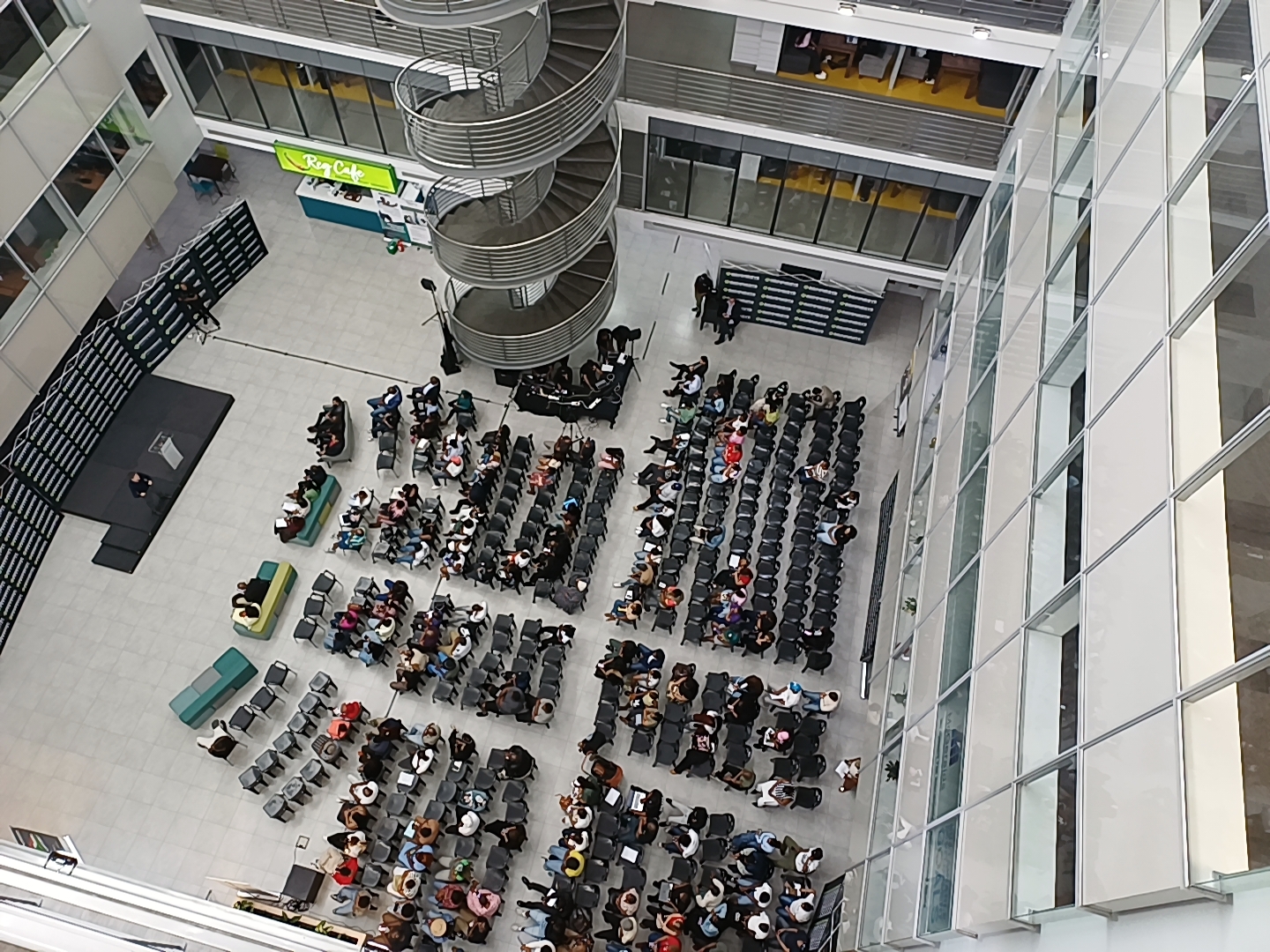
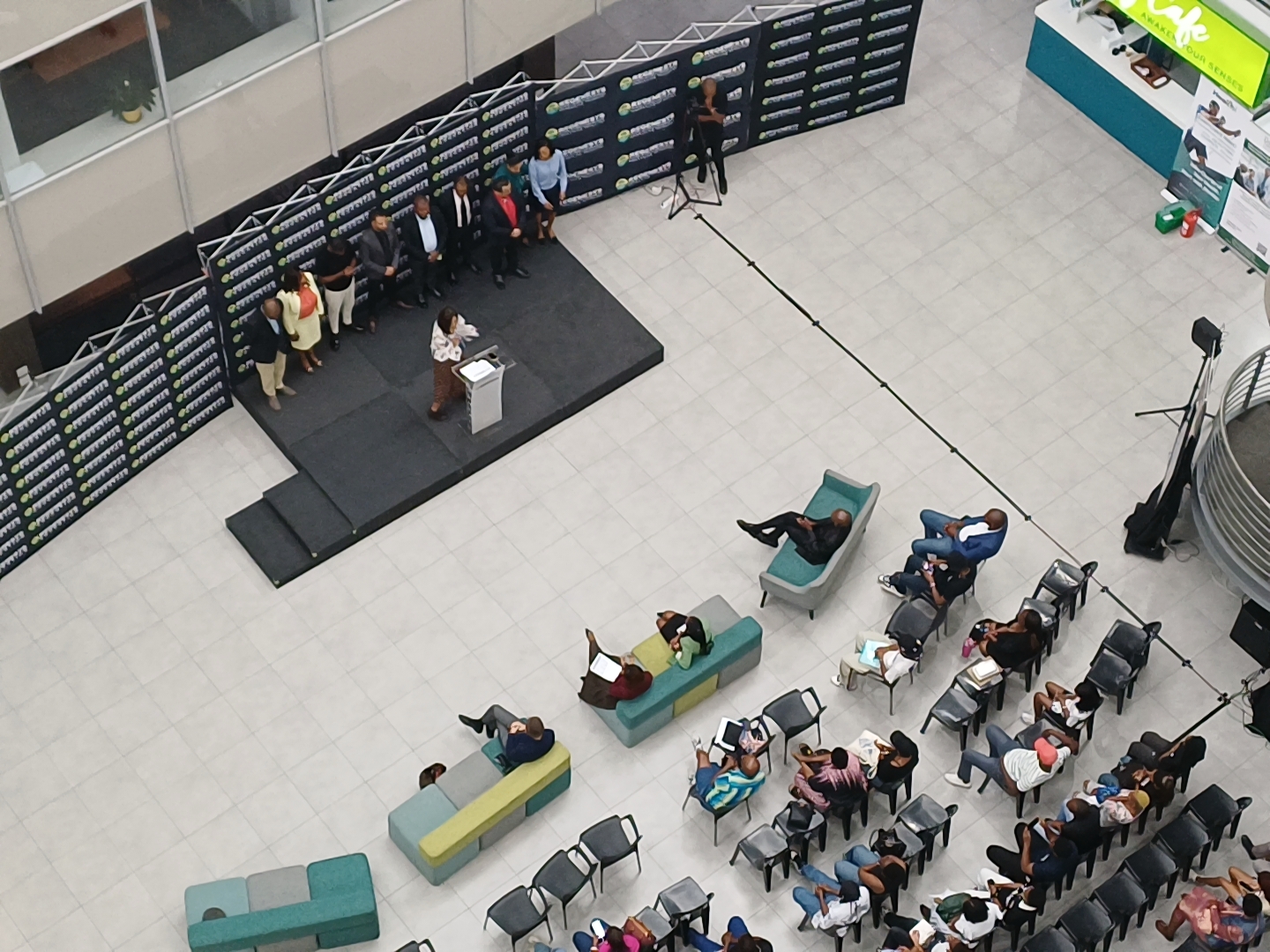
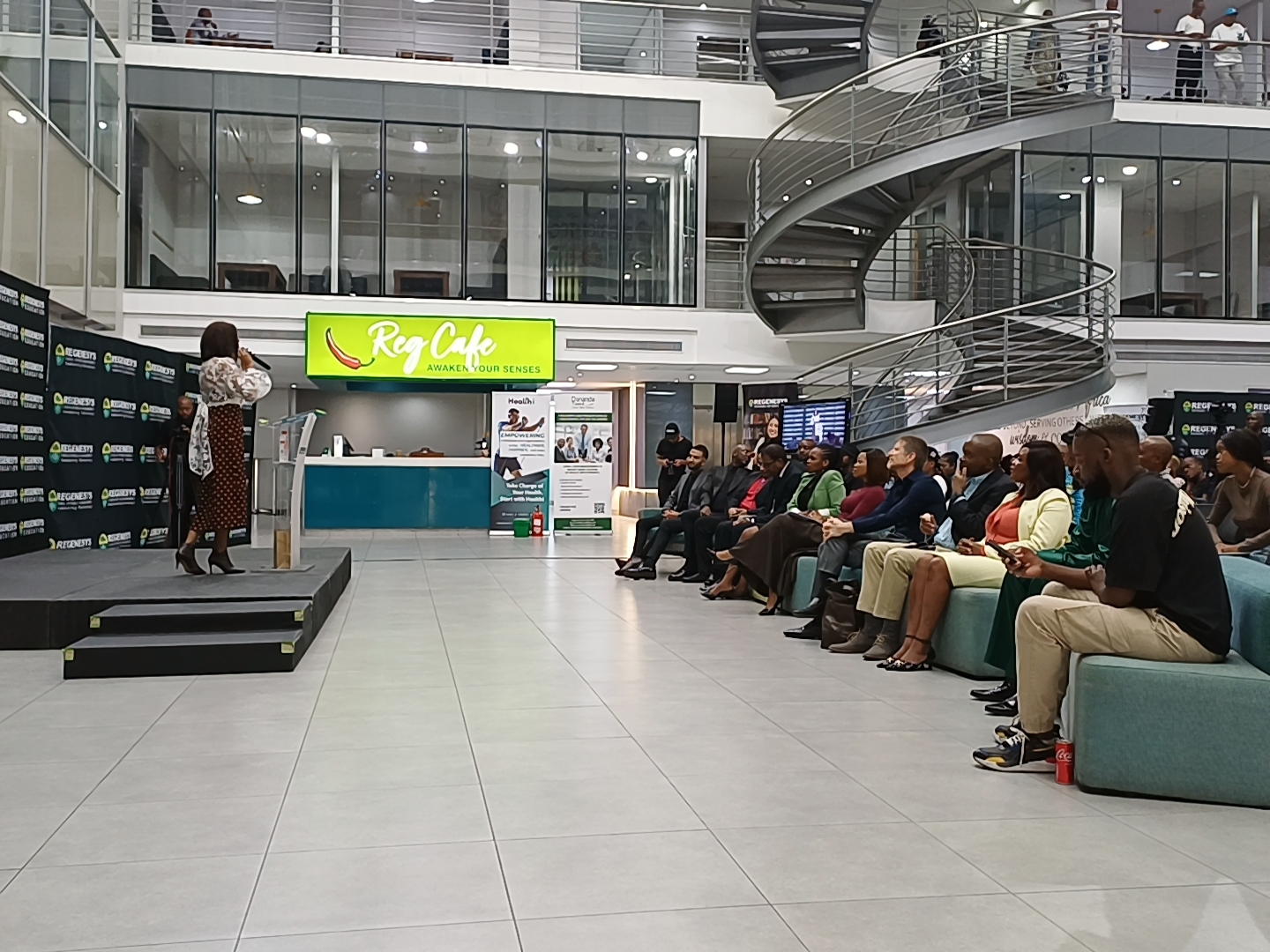
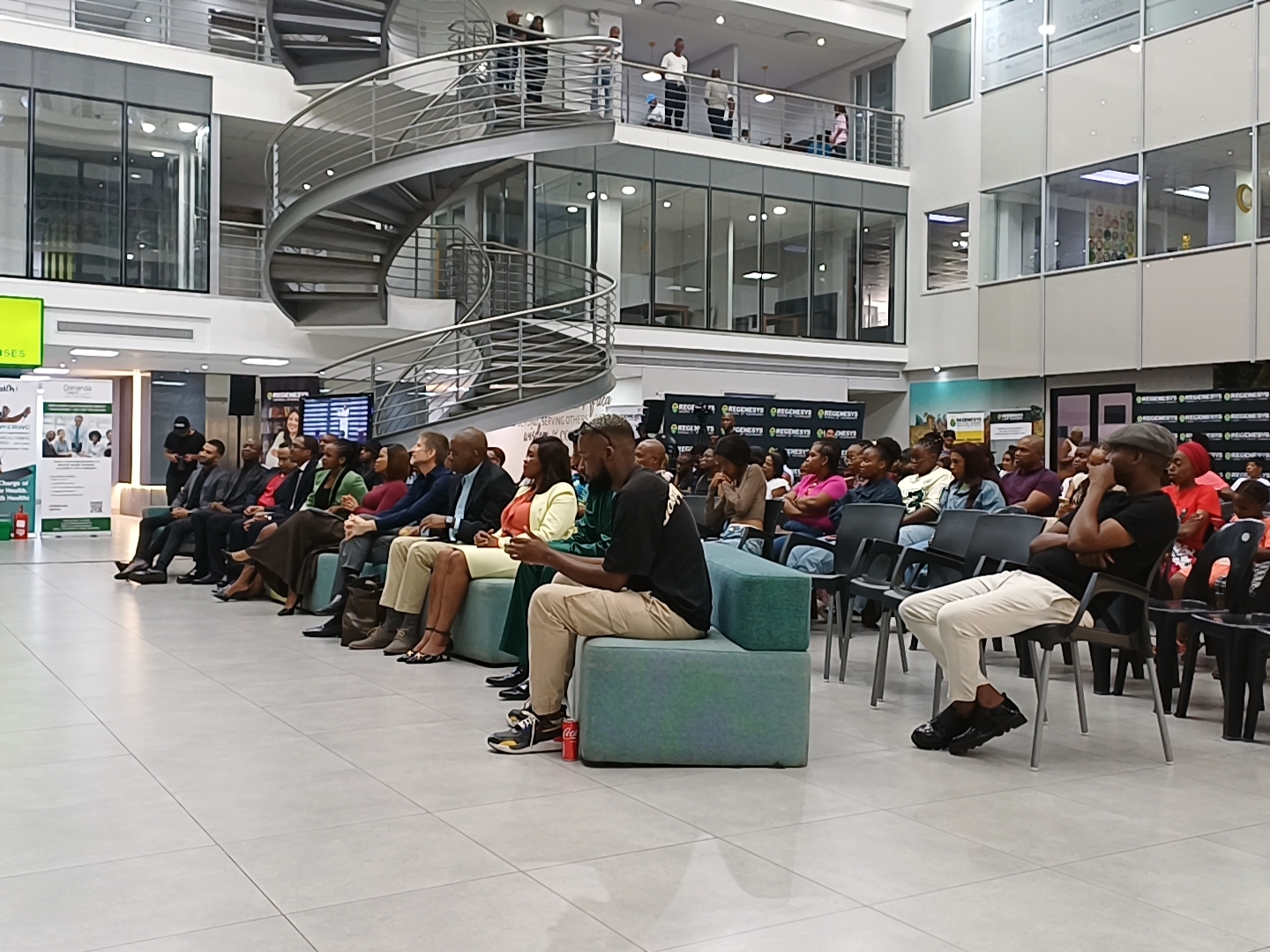
On Saturday, 24 January, Regenesys Open Day was hosted on the very day the world is meant to ask the hardest education questions. What happens to a student who is ready, willing, and capable, but cannot find a seat where it counts? What happens when “Congratulations” is followed by “Please wait”?
At Regenesys, the answer is not “wait”. The answer is forward motion.
A country can celebrate passes and still fail its youth
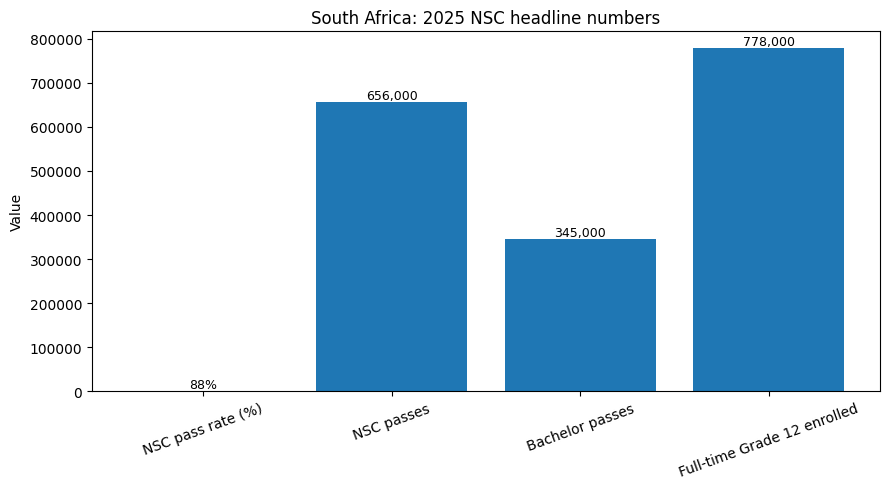
In her address releasing the 2025 National Senior Certificate results, the Minister of Basic Education reported an 88% pass rate, with more than 656,000 learners passing and over 345,000 achieving Bachelor passes.
Those numbers are a national achievement. They are also a national responsibility.
Because every one of those passes represents a household that has done its part. A learner who showed up. A family that sacrificed. A community that carried. The question is whether the system can now do its part with equal urgency.
This is where South Africa’s “no space” crisis becomes more than a frustration. It becomes a momentum killer. It turns potential into pause. And pause, for a young person in January, is not neutral. It is expensive.
What the Open Day revealed was bigger than programmes. It was a philosophy.
The first thing you felt in the room was energy. The kind you only get when education is treated like a life decision, not a formality. Indherani Reddy, Regenesys’ Chief Operating Officer, opened with a simple message: choosing education is choosing your future.
Then she did what many institutions struggle to do. She explained what Regenesys believes education must develop.
Not just IQ. Not just content. Not just a certificate.
Regenesys’ model, as shared at the Open Day, is built around holistic development through Personal Mastery, a compulsory component embedded in the student journey. The language used throughout the morning was clear: the goal is not simply to produce graduates. The goal is to develop leaders who can master self, think critically, lead people, build purpose, and stay relevant in a changing world.
In a country where many students are told to be grateful for any seat, Regenesys put a different idea on the table. A student is not a number to process. A student is a human being to develop.
That distinction changes everything.
The word of the day was not “enrol”. It was “start”.
When Mohale Motaung took the stage, he brought what every student needs in January: proof.
He spoke as someone who is still in the journey, but close enough to the finish line to make belief feel practical. His story was not built on perfection. It was built on action. He spoke about fear, about doubt, about deadlines, about asking for help again and again, and then said the one thing that turned his life into momentum:
Start.
Not when you feel ready. Not when your schedule calms down. Not when confidence arrives. Start now.
That message lands differently in 2026, because hesitation has become a hidden trap. South Africa has too many capable young people waiting for the “right time” while the world moves on without them.
Education rewards the starters.
World Education Day is not a celebration. It is a challenge.
If the International Day of Education means anything, it means education must be treated as an enabling right, not an access lottery. UNESCO’s framing for 2026, centred on young people shaping education, is a reminder that the future does not belong to institutions that preserve old systems. It belongs to institutions that adapt, include, and build pathways that work.
Regenesys’ Open Day message aligned with that reality in three ways.
First, it positioned education as transformation, not transaction.
Second, it treated students as future leaders, not future employees.
Third, it refused to make delay sound responsible.
That last point matters, because delay is often dressed up as “being sensible”. But for a student who has just finished matric, a delayed year becomes a delayed income. A delayed network. A delayed CV. A delayed confidence. A delayed life.
The real crisis is not failing matric. It is failing placement and progression.
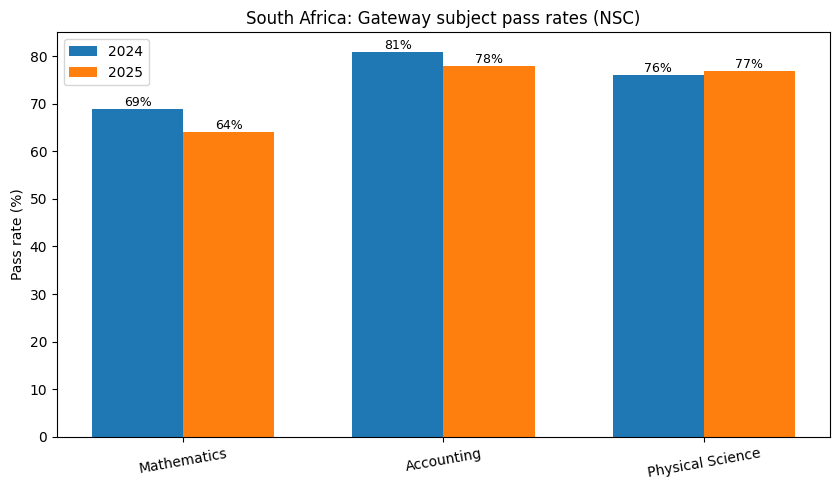
South Africa has shown it can improve pass outcomes. Even in gateway subjects, the national picture is being tracked carefully, and the DBE highlighted shifts year-on-year in subjects like Mathematics, Accounting, and Physical Science.
But pass outcomes are only one part of the education pipeline.
The bigger pressure point is what happens next, when learners try to transition into post-school and training routes, and discover that information is fragmented, processes are confusing, and space is not always visible.
This is why credible guidance matters as much as capacity.
If you are still looking for a place to study in 2026, the next section is for you.
Late applications 2026: what to do next, step-by-step
1) Verify every institution before you apply
If you are considering a private college or private higher education provider, verify it first. The DHET publishes an official register of private higher education institutions, and this is one of the strongest protections against scams.
If an institution cannot be verified through official channels, do not “take a chance”. Your time and money are not test cases.
2) Use official application channels where they apply
If you are applying to institutions that fall under the Central Applications Office (CAO) system, use the CAO platform and follow their late application and support process.
3) Understand what DHET is using in 2026
DHET has indicated that the Central Applications Clearing House (CACH) is discontinued and replaced by a Central Applications Service (CAS) going into 2026.
That matters because students often waste time chasing outdated systems and links. Always anchor your next steps to official DHET communication.
4) Apply broadly, but apply smart
Apply across more than one route where you qualify: universities, TVET, accredited private providers, and recognised occupational pathways. Do not bet your entire year on one portal, one institution, or one outcome.
5) Ask one question that protects your future
“Will this programme allow me to progress?”
Whether you start with a higher certificate, diploma, bridging route, or a degree, what matters is that your path is structured, recognised, and designed for progression. This is how you avoid getting stuck in a qualification that does not move you forward.
6) Make funding part of the plan, not the barrier
If finances are a concern, treat that as a planning challenge, not a stop sign. Ask institutions what payment structures, sponsorship pathways, and funding support routes exist, and what documentation is required.
At the Open Day, Regenesys reinforced a consistent message: money should not be the reason a capable student gives up. That is why flexible funding and payment models are part of how the institution keeps access realistic, without shrinking ambition.
7) Choose momentum over perfection
The perfect plan is the one you never start. The right plan is the one that begins, adapts, and moves forward.
That was the core message of the day, and it is the mindset that turns late applications into real outcomes.
Why Regenesys is a continuation route
There is a difference between being a fallback and being a pathway.
A fallback waits for rejection and then offers comfort. A pathway plans for progression and then demands action.
Regenesys’ positioning, as expressed across the Open Day, sits firmly in the second category. The institution speaks to students who are not looking for shortcuts, and not looking to be rescued. They are looking for a credible place to keep going, with structure, support, and standards intact.
That is why the Open Day was not framed as a pitch. It was framed as a decision.
A decision measured in decades, not months.
Open Days continue every Saturday until end of February
If you missed the 24 January Open Day, the invitation remains open. Regenesys Open Days run every Saturday until the end of February, and the rhythm is intentional. It gives students and parents space to ask real questions, compare pathways, and make a decision without being rushed.
Dates to promote: 31 Jan, 7 Feb, 14 Feb, 21 Feb, 28 Feb (Saturdays).
The closing thought
South Africa does not have a “youth problem”. It has an urgency problem. We are producing more capable learners, and then we are asking too many of them to wait for life to begin. World Education Day is a reminder that education is not a poster, a hashtag, or a once-a-year celebration. It is a national promise that must show up in capacity, guidance, and real pathways.
If you are still looking for a place to study in 2026, take this as your sign: do not let “no space” turn into “no year”. Start the next step, ask better questions, verify the route, and choose momentum. Regenesys’ Open Days are there for exactly that purpose, to help you keep moving, with clarity and conviction.