MBA - Master of Business Administration
Our globally recognised MBA Degree delivers a transformative learning experience tailored to leaders, managers, specialists, and entrepreneurs. This programme offers flexible learning to help exceptional decision-makers, strategic thinkers, effective communicators, and responsible leaders.


Master of Business Administration (MBA) Programme Overview
The Master of Business Administration (MBA) is a prestigious two-year postgraduate programme offering 230 credits designed to equip individuals with essential business acumen and leadership skills. This comprehensive degree covers key business areas, preparing graduates to navigate internal and external strategic challenges. With a rigorous curriculum across multiple management disciplines, the programme fosters critical thinking and sharpens leadership capabilities. Graduates are well-prepared to make informed decisions, drive innovation, and thrive in today’s dynamic business landscape. Beyond academic learning, the programme also provides a well-rounded development experience for professionals who want to advance their careers or build their own businesses. With theory and practical applications, the learners understand real organisational issues and the broader economic environment. Through projects, case studies, and applied research, the learners also gain the confidence to handle complex business situations and develop innovative, workable solutions. Our Master of Business Administration (MBA) programme encourages personal growth by strengthening communication, teamwork, and strategic thinking. By creating a rich learning environment, students can interact with peers from diverse industries, broadening their perspectives and expanding their networking opportunities. With flexible study options and a globally recognised curriculum, the MBA programme suits working professionals who want to advance steadily and position themselves for long-term career success.
MBA Degree Requirements
- Relevant cognate postgraduate qualification on NQF Level 8
- Relevant Work Experience
- Basic computer skills, internet connection and relevant IT resources
- Competent in English, written and oral communication skills
Why Choose the Master of Business Administration?
The Master of Business Administration (MBA) degree is a strong choice for anyone who wants to grow as a leader, understand business at a deeper level, and open doors to better career opportunities. It is a programme designed for working professionals who want to improve how they think, make decisions, and lead others. With its global recognition and practical approach, the MBA degree programme gives you the confidence to step into bigger roles, manage teams, or even start your own business.
Build a clear understanding of strategy, finance, marketing, and operations. Apply these areas together to make informed business decisions.
Work on real case studies and applied business projects. These learnings will help connect directly to everyday organisational challenges.
Study content shaped by current management trends and global practices. Stay relevant in fast-changing business environments.
Develop clear communication, teamwork, and workplace leadership abilities. Work effectively with teams across different business contexts.
Prepare for positions such as Manager, Consultant, Director, or Entrepreneur. Build confidence to take on responsibility and decision-making roles.
Learn to assess complex business situations with clarity. Support sustainable organisational growth through informed analysis.
MBA Core Modules (230 Credits)
Year 1
Year 2
Electives
MBA Career Path
Esteemed Faculties
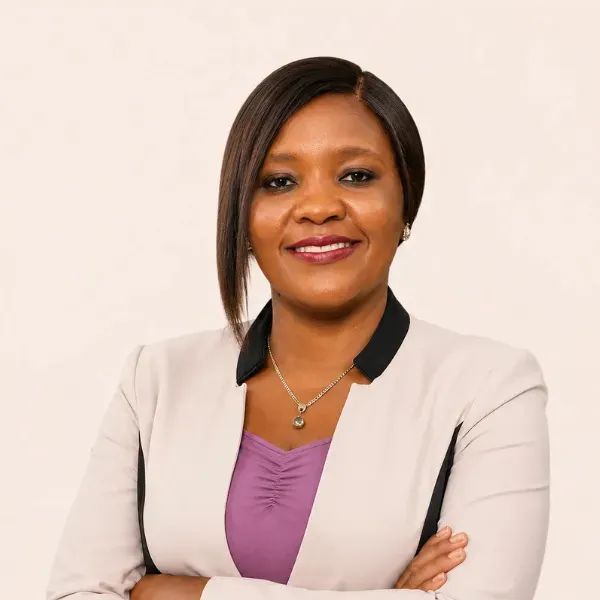
Dr. Patience Nyoni
Business School Head | Chartered Marketer - DBM

Dr Cerneels Coetzee
Academic Head | PhD (Business Management)
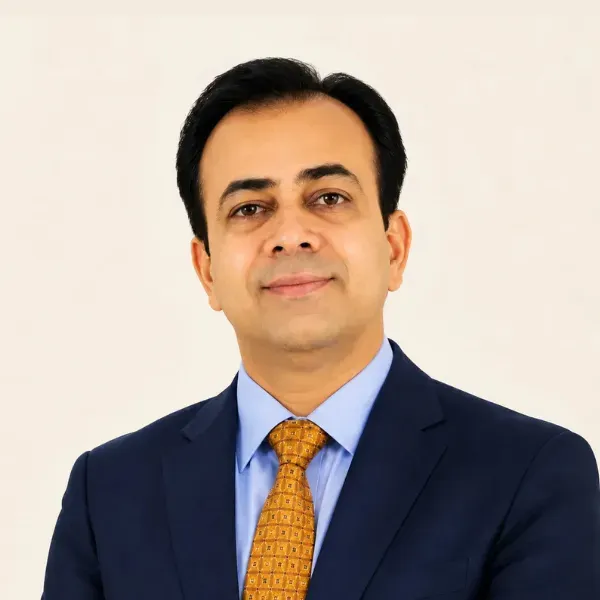
Dr Rajesh Sharma
Academic Head - HC | PhD (Business Management)

Dr Shaista Fatima
Senior Facilitator | PhD (Business Management)
Testimonials

I completed my Bachelor of Business Administration at Regenesys and thoroughly enjoyed the experience. The incredible support I received throughout my journey made it both rewarding and enjoyable, inspiring me to pursue my Master of Business Administration with Regenesys as well. After exploring several institutions, I found Regenesys to be the best choice for me, and I’m truly grateful for the opportunities it has provided.

Proverb
Honestly, Regenesys, the education is magnificent. I cant be grateful or more grateful for it. You know, the hands on commitment of the educators, the lectures that we have that really drives us to want to achieve more and be successful in the future.

Sashca Lasher
Why Regenesys?
Regenesys Business School offers an environment where learning is practical and relevant in the changing business world. With experienced faculty and a supportive learning environment, Regenesys gives you the foundation and confidence to excel in competitive local and global markets.

25+ years of delivering quality education with over 5,00,000 alumni.

Industry-relevant curriculum that is designed to meet modern business and leadership standards.

Immersive learning experiences with real business cases, simulations, and organisational scenarios.

Case-study-based teaching that strengthens decision-making in complex, fast-changing environments.

A holistic development approach that encourages ethical thinking, confidence, and reflective leadership.
25+ years of delivering quality education with over 5,00,000 alumni.
Industry-relevant curriculum that is designed to meet modern business and leadership standards.
Immersive learning experiences with real business cases, simulations, and organisational scenarios.
Case-study-based teaching that strengthens decision-making in complex, fast-changing environments.
A holistic development approach that encourages ethical thinking, confidence, and reflective leadership.
MBA Degree Admission Process

Check Programme Requirements

Complete Application Process

Submit Application Fee

Finish Documentation Process

Pay Fees & Start Enrolment

Insights and Highlights



MBA Degree: Frequently Asked Questions
What is an MBA?
Which MBA has the highest value?
How long is an MBA in South Africa?
Which modules are the best for MBA?
Who qualifies for an MBA?
How long is the MBA programme?
What is Regenesys MBA Registration and Accreditation?
Is an MBA from Regenesys recognised internationally?
Is an MBA higher than a Master's?
Is an MBA worth it in South Africa?
Can I do an MBA without a degree?
Can I apply for an MBA programme without a business background?
How much do you get paid for an MBA in South Africa?
Which industries value an MBA qualification?
What job roles can I pursue after completing an MBA at Regenesys?
Where can I study MBA online in South Africa?
Are there part-time options for the MBA programme?
Is the online MBA from Regenesys different from the on-campus programme?
What financial support options are available for the MBA at Regenesys?
Are there any prerequisites to get financial support at Regenesys?
Can I pay the MBA fees in instalments?



Contact the Regenesys Admissions Department at +27 (11) 669 5000 for more details regarding the programme