
It combines leadership, administration, and governance to help professionals manage people, resources, and information effectively. In today’s digital era, public managers use data, e-governance, and innovation to enhance service delivery.
Table of Contents
What is Public Management?
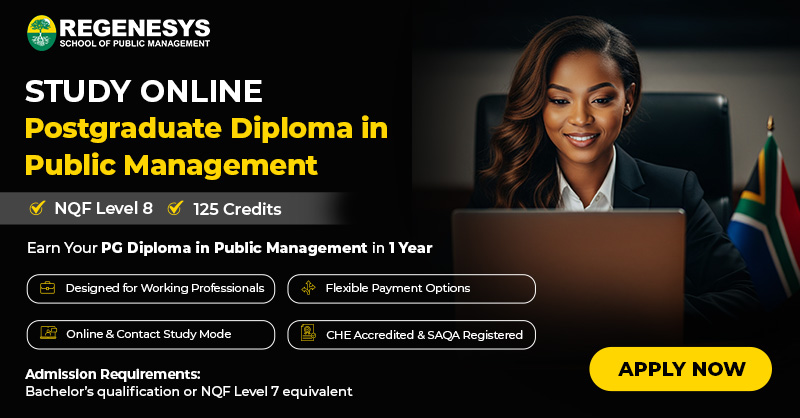
Public Management studies how governments and organisations deliver services and implement policies effectively. It focuses on using resources wisely, managing people efficiently, and ensuring public programmes achieve their goals.
The field combines leadership, management, economics, law, and policy to help professionals make decisions and manage change.
The courses teach students to manage resources, develop policy, and evaluate public programmes effectively.
What is a PDPM?
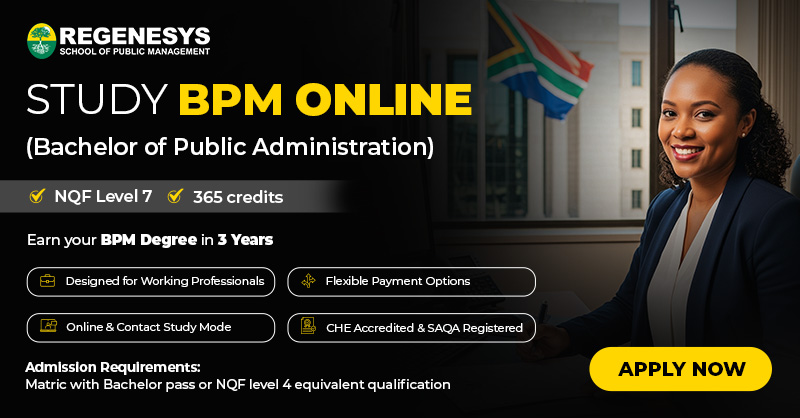
A PDPM is an advanced course that builds leadership and management skills for public sector professionals.
The field combines leadership, management, economics, law, and policy to help professionals make informed decisions and manage change.
The courses equip students to manage resources, develop policy, and evaluate public programmes effectively.
Subjects Required to Study Public Management
Students must be knowledgeable across various topics, including public administration, economics, political science, and public policy. These topics involve using relevant theories, quantitative and qualitative research methods, and problem-solving skills. They should be familiar with the various levels of government and their responsibilities.
Here are some core public management course subjects
Public Administration
Public administration is the primary subject of the course. This subject gives students an overview of the principles, practices, and tools of public administration. It includes theory, public finance, public personnel administration, public budgeting, and public policy analysis.
Economics
The economics subject covers the principles of economics, public finance, resource allocation, and public policy analysis. It helps students understand how economic policies impact society and achieve desired outcomes.
Political science
- Political science is the most crucial course subject needed to study in public management.
- This subject examines the principles and concepts of the political system and its interactions with the public.
- It includes public opinion, political behaviour, political parties, voting behaviour, and the media.
Sociology
- This subject is the fourth required course for studying public management.
- This subject explores how social, cultural, and economic factors influence public life and policy outcomes.
- It includes social structure, movements, and change.
Public policy
- Finally, the fifth and essential course subject is public policy.
- This subject focuses on the formulation and implementation of public policy, the development of public programmes, and the evaluation of public programmes.
- It includes topics such as public policy analysis, public policy evaluation, planning, and development.
These five core subjects are crucial for understanding public management. Therefore, students interested in pursuing a career in public management should study these subjects to understand the public policy process.
Career Paths Based on Core PDPM Subjects
The subjects covered form the backbone of a successful career in governance and administration. Each subject equips learners with practical knowledge and skills essential for managing people, policies, and public resources.
Mastering these subjects opens diverse leadership and management opportunities in government, NGOs, and the private sector.
Core subjects and their related career roles:
| Subject | Career Roles |
| Public Administration | Policy Analyst, Resource Manager, Business Administrator, Healthcare Administrator, Government Official, Non-Profit Organisation Manager, Public Manager, Municipal Manager. |
| Economics | Financial Manager, Public Policy Analyst, Budget and Reporting Manager, Human Resources Manager. |
| Political Science | Public Administrator, Policy Analyst, Municipal Manager, Human Resources Manager, Project Manager, Public Finance Manager, Political Analyst. |
| Sociology | Administrative Officer, Social Services Support Officer, Public Policy Assistant, Human Resources Specialist, Research Assistant. |
| Public Policy | Administrative Officer, Budget Assistant, Public Policy Assistant, Social Services Support Officer and Compliance Officer. |
Mastering these subjects provides students with a strong foundation for pursuing leadership and analytic roles. Each subject builds specialised expertise that collectively empowers future leaders to drive positive social change and effective governance.
Types of Public Management Courses
Regenesys offers programmes designed to develop expertise and leadership capabilities across different levels within the public sector. Below is an overview of common pathways:
| Level of Study | Courses | Focus Area |
| Certificate Level | Higher Certificate in Public Management (HCPM) | Provides foundational knowledge in public administration, communication, and service delivery, preparing students for entry-level roles. |
| Diploma Level | Advanced Diploma in Public Management(ADPM) | Builds on prior learning with an emphasis on efficiency, governance, and organisational leadership within public institutions. |
| Degree Level | Bachelor of Public Management(BPM) | Focuses on strategic leadership, policy-making, ethics, and performance management in government and non-governmental organisations. |
| Postgraduate Level | Postgraduate Diploma in Public Management (PDPM) | Equips professionals with advanced management, policy analysis, and decision-making skills for senior leadership roles. |
| Master’s Level | Master of Public Management(MPM) | Provides expertise in governance, policy design, and innovation for future leaders and decision-makers. |
For more details, click the degree links to explore courses and take the next step in advancing your career.
Explore Our Other Programmes
The Bottom Line
With a broad understanding of these topics, students can develop the skills and knowledge needed to become public managers.
Studying public management requires knowledge of a variety of subjects to understand its complexities. Students should thoroughly understand economics, political science, sociology, and public policy analysis to succeed.
Understanding these topics helps students evaluate public policies and guide the public sector effectively.
Learn more about Regenesys’s Public Management curriculum here and decide what subjects to study.
FAQs
Why pursue a PDPM programme?
A PDPM provides advanced training and specialised skills for professionals aiming for leadership roles in the public sector. It helps students address public management challenges, shape policy, and create positive social impact.
What are the core modules of the Regenesys PDPM programme?
The 12-month programme, designed by industry experts, includes six compulsory modules and two electives. Core modules are:
- Public Finance
- Fundamentals of Research
- Monitoring and Evaluation
- Advanced Public Project Management
- Strategic Management in the Public Sector
- Advanced Public Human Resource Management
What is the structure and duration of the programme?
The PDPM is an NQF Level 8 with 125 credits, offered over 12 months.
What Public Management programmes does Regenesys offer?
Undergraduate Programmes:
- Bachelor of Public Management (BPM)
- Higher Certificate in Public Management (HCPM)
Postgraduate Programmes:
- Master of Public Management (MPM)
- Postgraduate Diploma in Public Management (PDPM)
What career opportunities are available after completing PDPM?
The programme develops strategic management skills for public and non-profit organisations. Careers include:
- Human Resource Manager
- Project Manager
- Supply Chain Manager
- Project Co-ordinator
- Public Policy Analyst
- Public Administrator